



Research
Health warnings could reduce young people’s social media use
Teens and young adults say that health warning labels on social media would help them reduce their social media use, a Stanford Medicine study showed.
Explore by topic
Story
Health warnings could reduce young people’s social media use
 Story
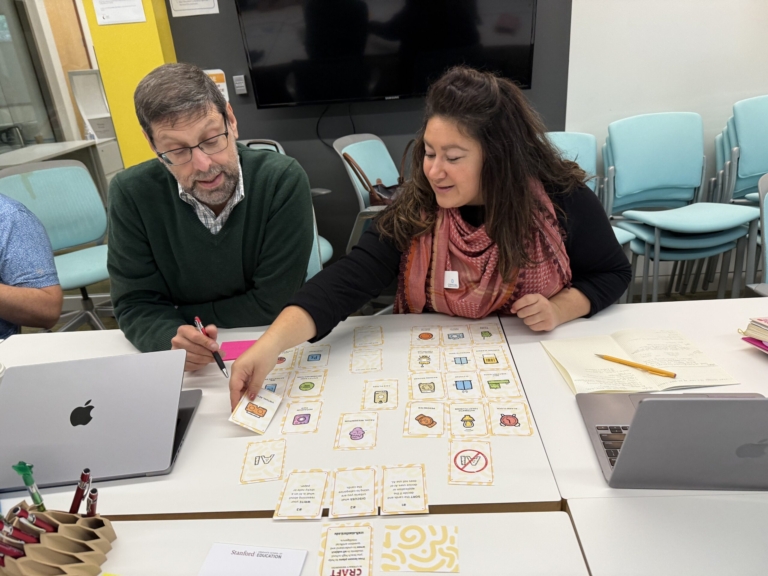
AI Tinkery launches school network and playbook to help educators navigate AI in their classrooms
 Story
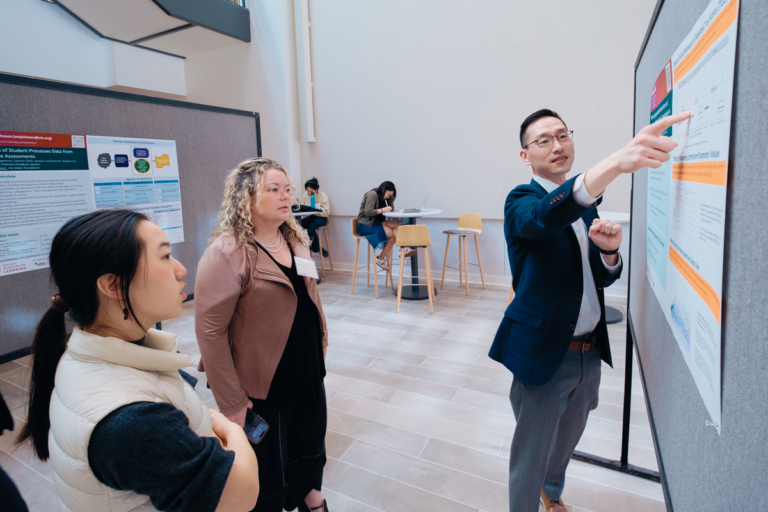
Measuring what matters: New Stanford white paper provides a roadmap for creating responsible student assessments in the AI era
 Grant
AI + Learning Impact Grants
 Event
Leveraging Generative AI Tools to Support Teaching and Learning
Stanford Accelerator for Learning

Featured news story
Teens and young adults say that health warning labels on social media would help them reduce their social media use, a Stanford Medicine study showed.
Read the story Health warnings could reduce young people’s social media useWe envision a world where research-driven innovation transforms how people learn, making effective, joyful learning a vibrant reality for every learner, everywhere.
About the AcceleratorHow we work
Co-designing solutions for the AI era that are anchored in learning science and deliver rigorous, peer-reviewed evidence.
Research
Teens and young adults say that health warning labels on social media would help them reduce their social media use, a Stanford Medicine study showed.
Artificial intelligence
The physical and digital makerspace for generative AI, which has been supporting Stanford students, staff, and faculty since 2024, is expanding to schools and classrooms across the world.
Tools and practices that work in real classrooms.
Announcements
AI is changing what, where, and how testing happens. How can schools, teachers, and test developers respond?

Research
A new Stanford Medicine study finds differences in how autistic teens process unfamiliar voices, pointing toward new therapies for adolescents.
Growing the next generation of learning leaders.
Announcements
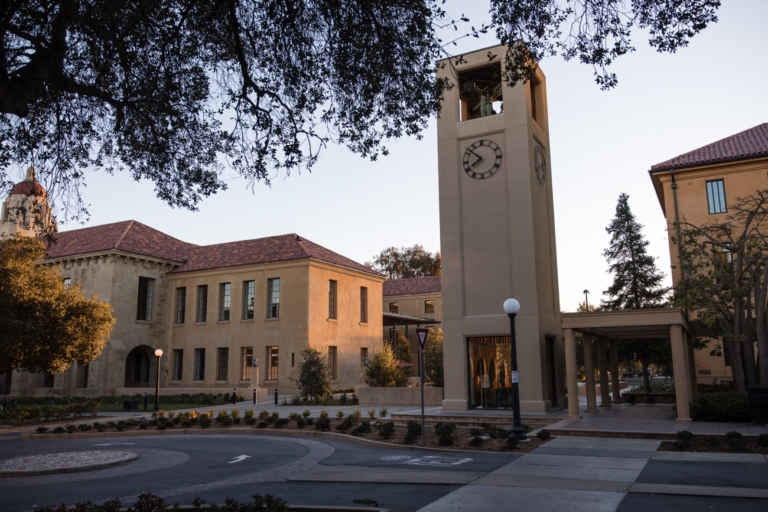
Victor Lee and Susanna Loeb are honored with the distinguished academic titles.
Artificial intelligence
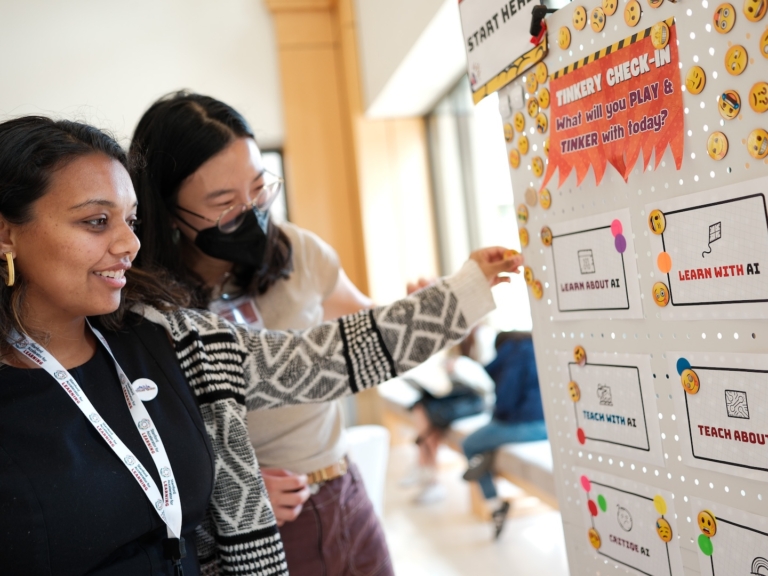
Researchers are taking an evidence-based approach to AI’s influence on education, weighing the risks while prioritizing meaningful learning.
Putting evidence in the hands of those who can use it.
Collaborations
A major research effort led by Stanford Professor Susanna Loeb reveals opportunities and gaps in California’s education system.

Research
Education researchers at Stanford, Harvard, and Dartmouth find uneven improvements in test scores while identifying promising districts where progress is being made.
“Teens and young adults consistently reported that they felt the warning messages we tested would reduce their social media use."
 Thomas Robinson
"Dyslexia is quite heterogenous, and phonological problems are only one part of the story.”
 Jason Yeatman
“People start asking questions like ‘What am I as an employee getting out of it?’”
 Arvind Karunakaran
“It will be a long time before we’re at a point where we can say, ‘We know what the effects of AI tools are on students.’”
 Susanna Loeb
"The trust between teachers and students is getting quite frayed."
 Victor Lee
“If I were to advise schools, I would encourage them to adopt a phone ban, enforce it really well, and [see] for yourself…if it's working"
 Tom Dee
Twice monthly. Unsubscribe anytime.
Read the newsletter archive