

Accelerate Edtech Impact Summit 2025
- In person
- Open to Stanford Community
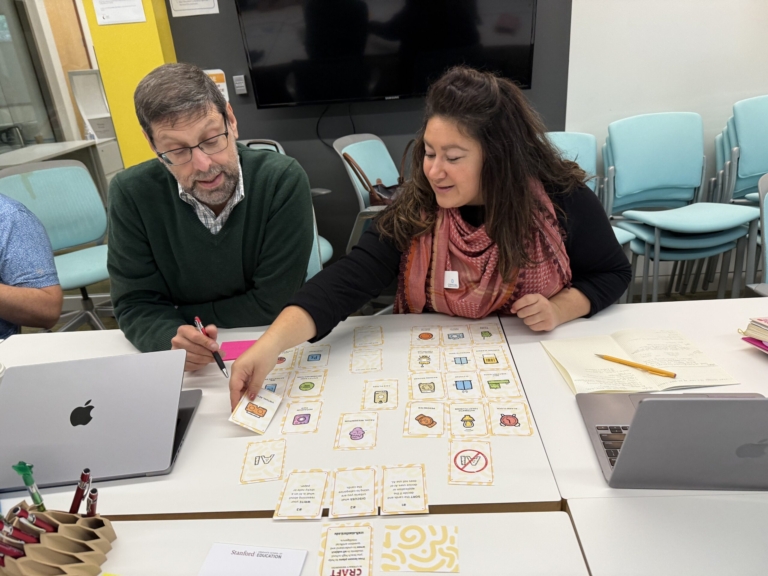
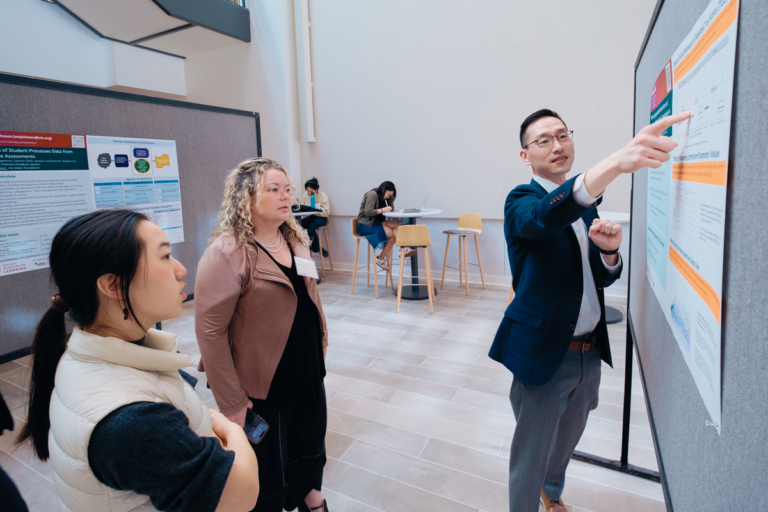
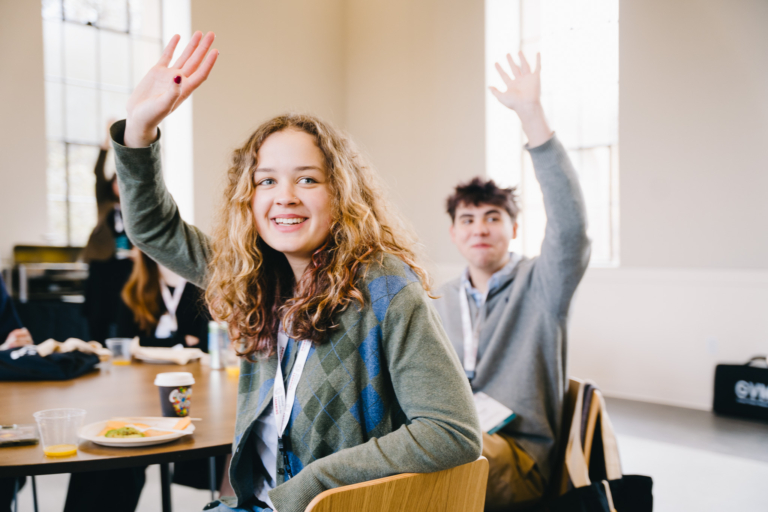
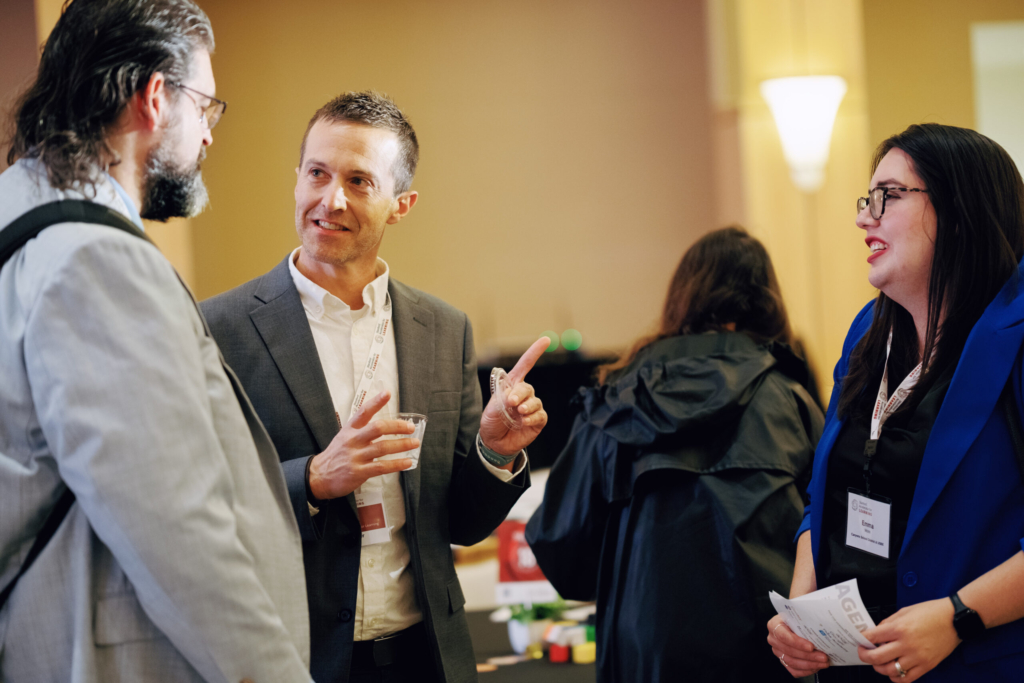
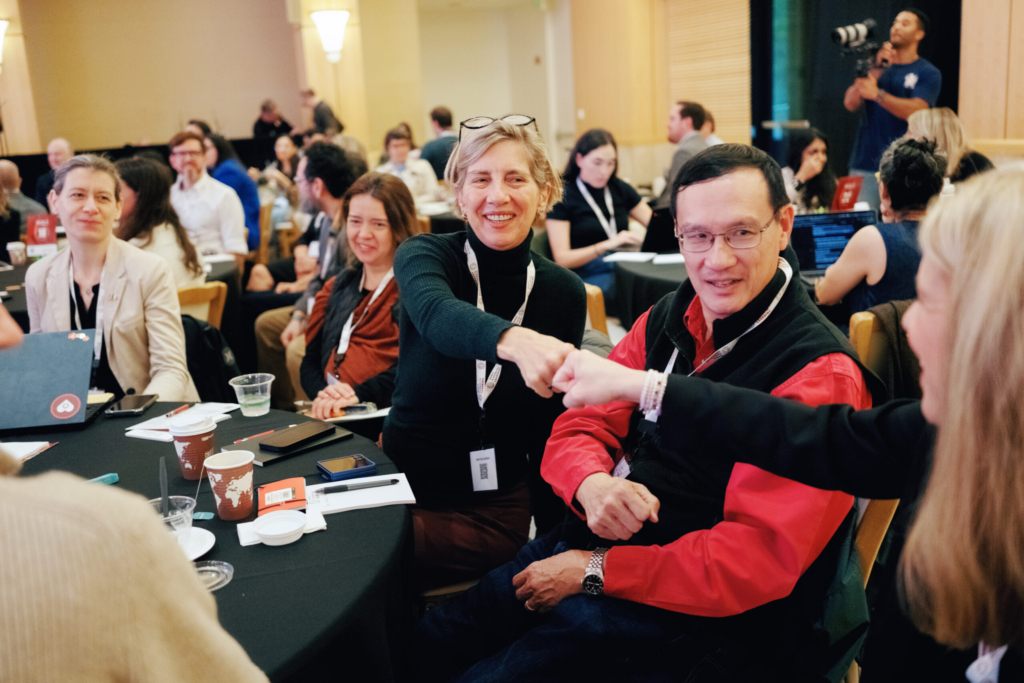
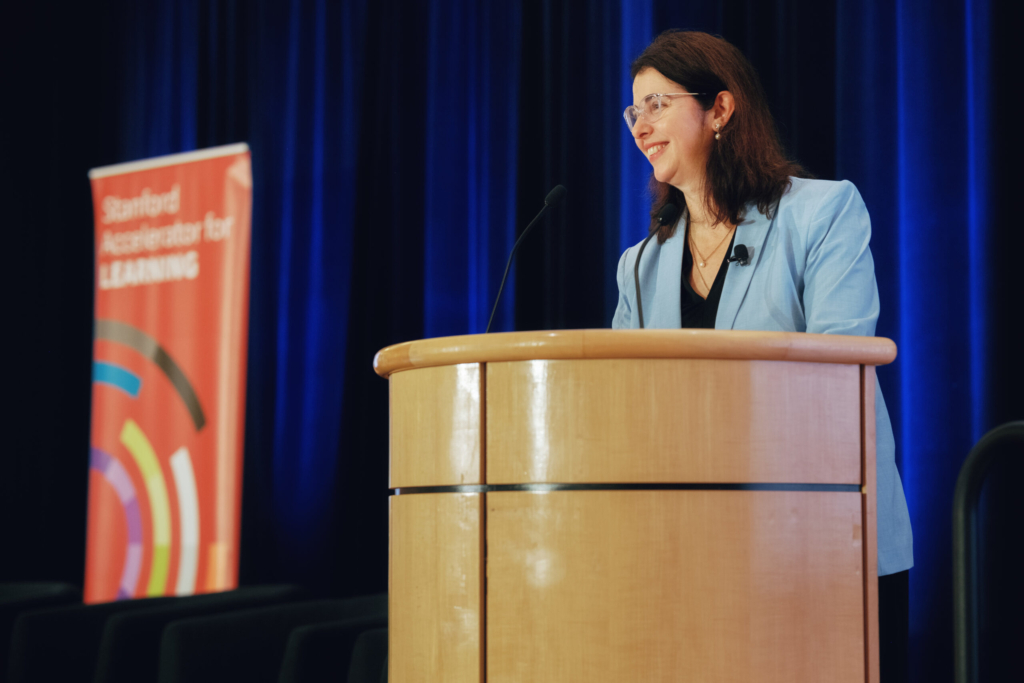
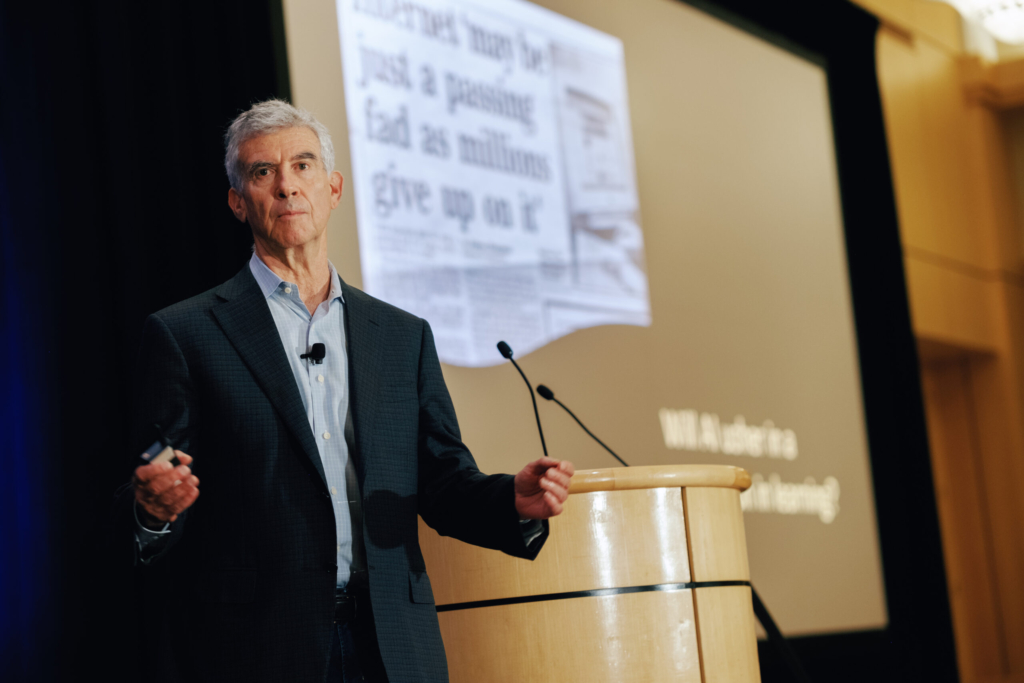
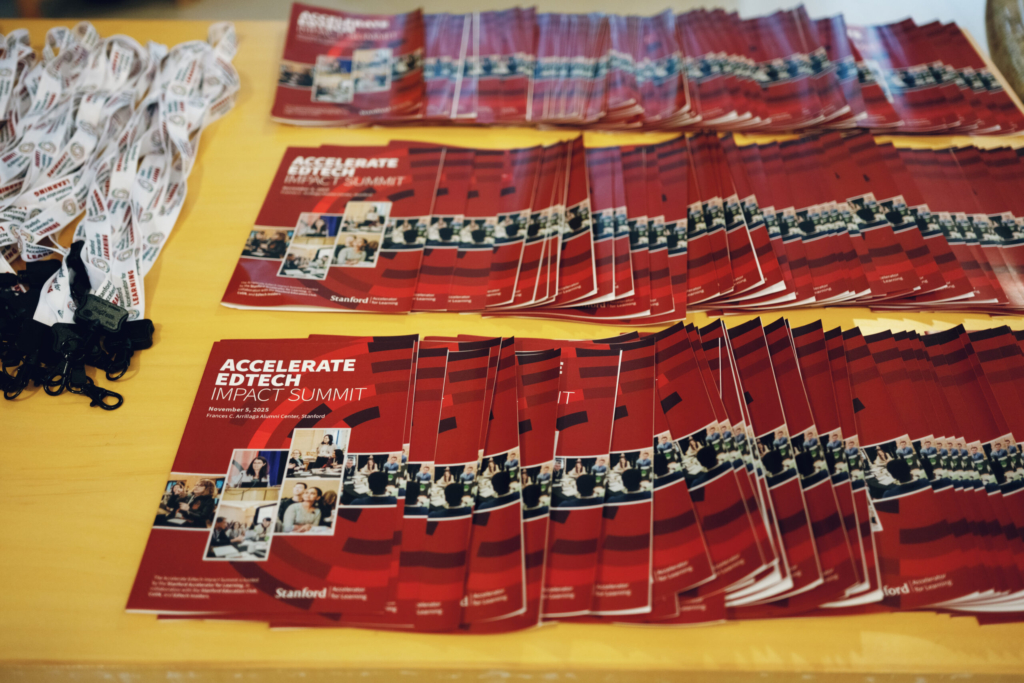
The Accelerate Edtech Impact Summit — now in its third year — convened researchers, developers, educators, learners, and funders to explore what’s possible when evidence and innovation come together to shape the future of learning.
This year’s theme, “Future-Ready Learning by Design,” explored how we intentionally design learning systems, tools, and relationships that prepare all learners not just for the world as it is, but for the world as it could be. In an era of rapid technological change and deep societal complexity, readiness must go beyond content mastery to encompass creativity, connection, resilience, and purpose. The Summit spotlighted inclusive innovations, human-centered approaches, and transformative ideas that move beyond incremental change to fundamentally reimagine learning.
The Summit was preceded by a student and alumni demo day (visit here).
In the lead-up to the Summit, we asked education practitioners, researchers, and edtech leaders to explore what it means to be future-ready. In the interviews, a consensus emerged that future-readiness centers around adaptive mindsets, not a specific knowledge base.
Photos: Ryan Zhang
Wednesday, November 5
-
Arrival + Connection Spaces
Join us for coffee and breakfast bites.
- Victor Lee, Stanford Accelerator for Learning (emcee)
-
Setting The Stage
- Isabelle Hau, Stanford Accelerator for Learning
-
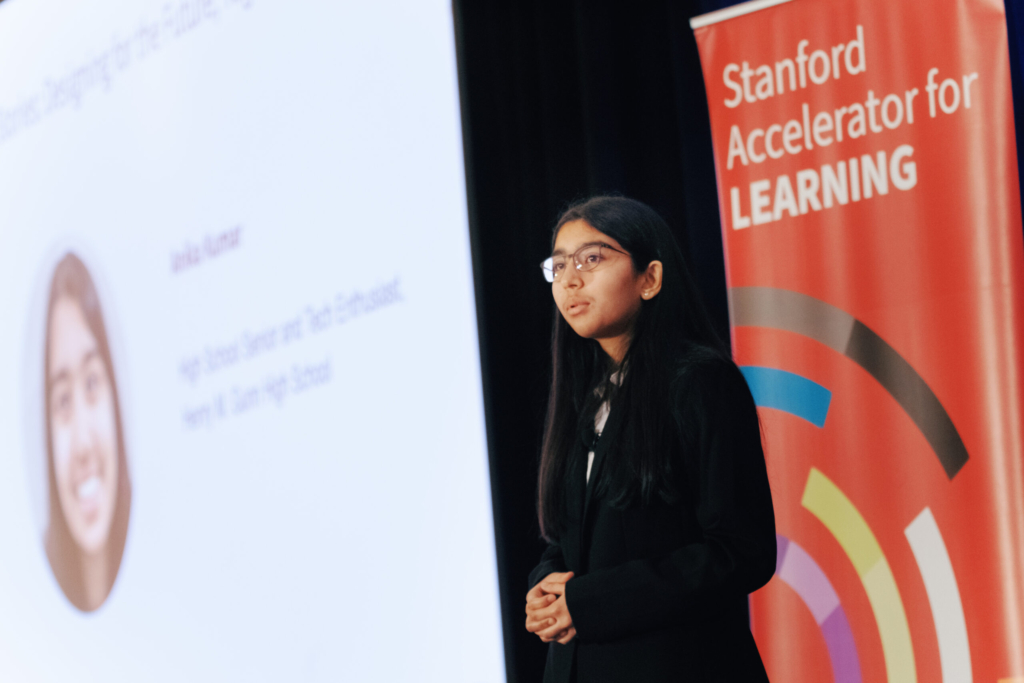
Spark Stories: Designing for the Future, Together
Short inspiration talks from a learner, a teacher, and a community member to set the stage for the day.
- Anika Kumar, Henry M. Gunn High School
- Adam Siegel, New Valley High School
- Bob Hoover, Stanford Accelerator for Learning
-
What Do Students Need to Learn to Be Future-Ready?
- Daniel L. Schwartz, Stanford Graduate School of Education and Stanford Accelerator for Learning
-
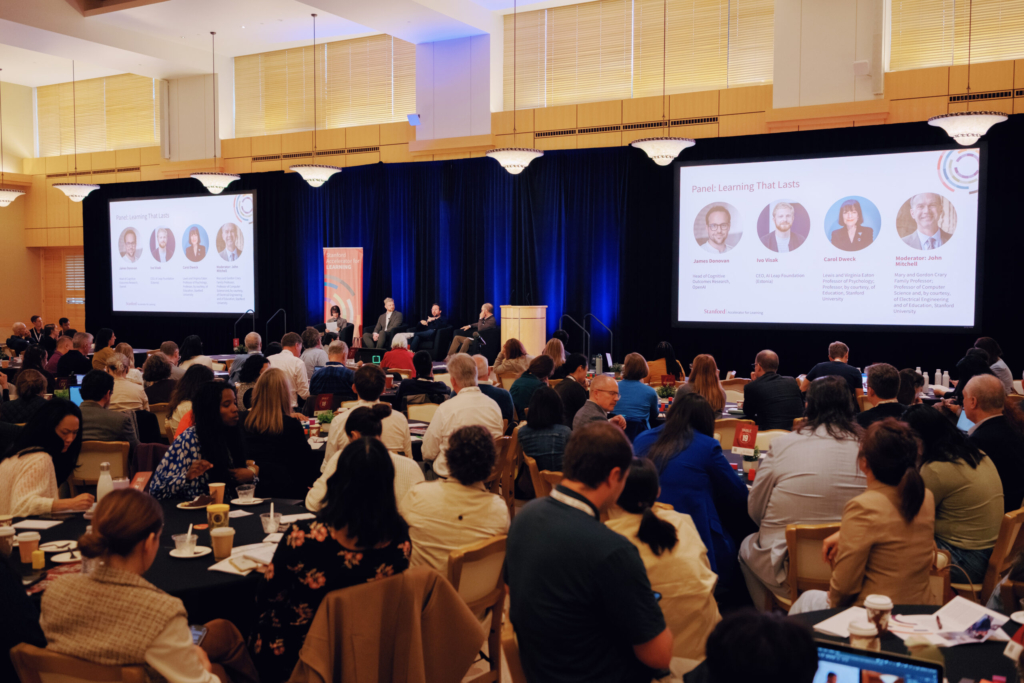
Mainstage Panel: Learning That Lasts
A fireside chat on designing for human flourishing in an AI-driven world.
- John Mitchell, Stanford (moderator)
- James Donovan, OpenAI
- Carol Dweck, Stanford
- Ivo Visak, AI Leap Foundation
-
Break
-
Concurrent Design Studio Labs — Round 1
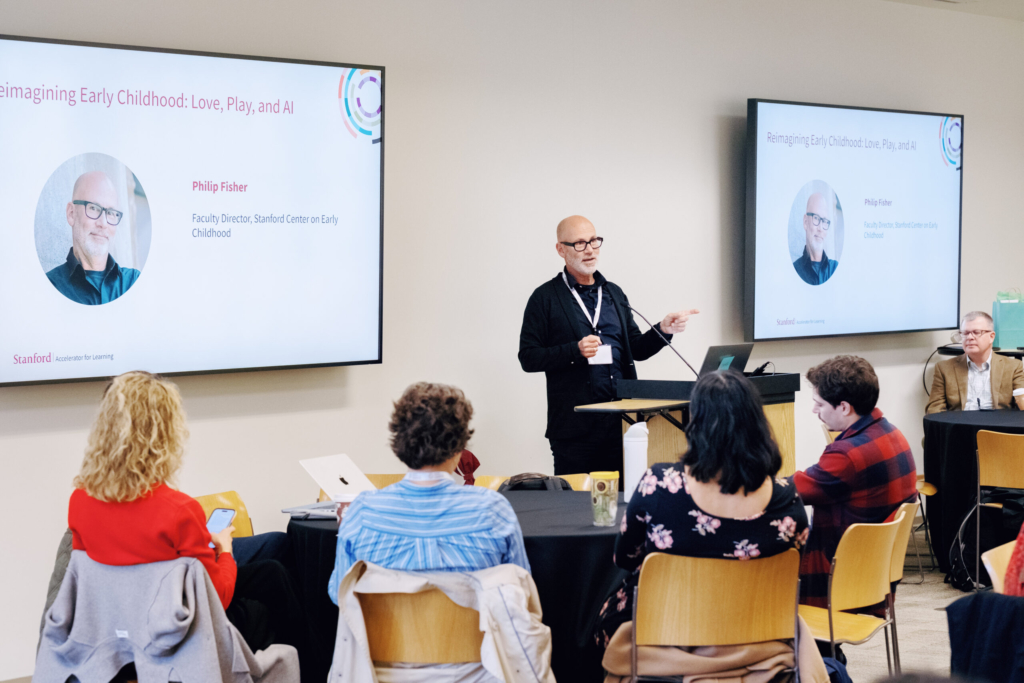
1. Reimagining Early Childhood: Love, Play, and AI
How might we design early learning environments that nurture love and play while navigating digital futures?
- Sunil Gunderia, Literacy Mindset (moderator)
- Philip Fisher, Stanford Accelerator for Learning
- Shelley Pasnik, Education Development Center
- Martine Singer, Children’s Institute
2. Testing and Scaling What Works with AI in K-12: From Innovation to Systems Change
How can we take promising AI innovations to scale with efficacy in mind?
- Keith Krueger, CoSN (moderator)
- Emma Brunskill, Stanford
- Richard Charles, Denver Public Schools
- Kelly May-Vollmar, Desert Sands USD
3. Designing for Learning Differences: Inclusion by Design
How do we use UDL and technology to design for belonging across differences?
- Lakshmi Balasubramanian, Stanford (moderator)
- Bryce Johnson, Microsoft
- Christopher J. Lemons, Stanford Accelerator for Learning
- Sung Park, Santa Clara County of Education
4. Human + AI Collaborations in Workforce Learning
How can adult learning systems cultivate adaptability, creativity, and purpose in an AI economy?
- Joy Chen, Stanford Accelerator for Learning (moderator)
- Lisa Gevelber, Google
- Jessica Lindl, Unity Technologies
- Candace Thille, Stanford Accelerator for Learning
- Jason A. Tyszko, U.S. Chamber of Commerce Foundation
-
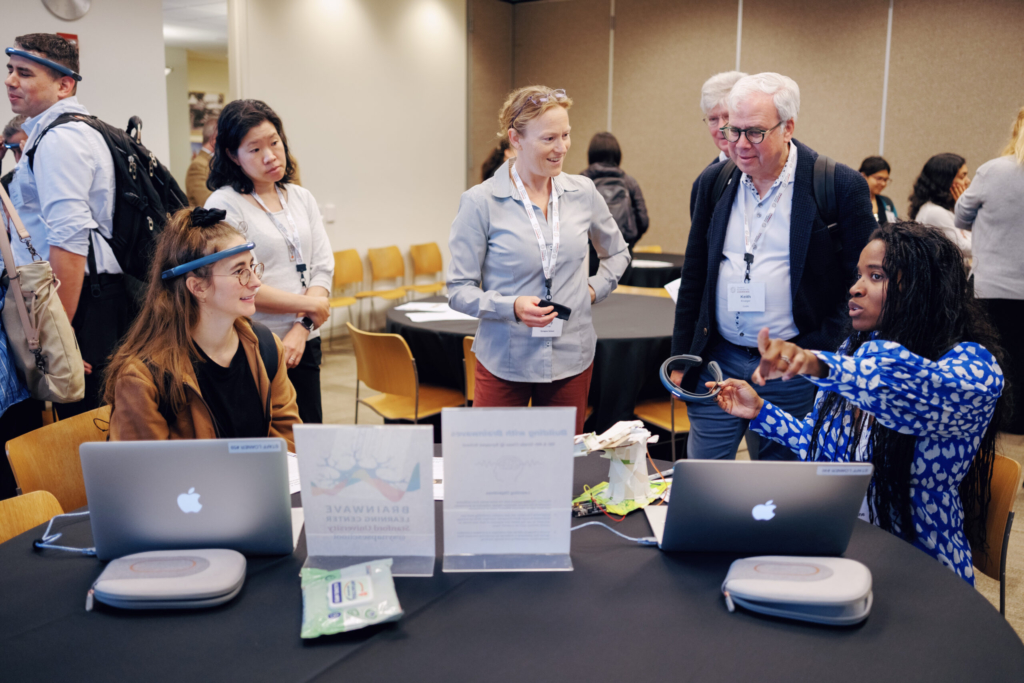
Lunch Connection
Eat, connect, tour, or engage with interactive demos.
- Inside the Learning Brain: EEG in the Classroom; Radhika Gosavi and Liz Toomarian
- Future of Work; Anna Queiroz
- Kai: AI Copilot for Enhancing Literacy Outcomes for Students with Learning Differences; Utkarsh Contractor
- The WOW Project: Wonders Of The World through Virtual Reality for Hospitalized Children; Faith Collins and Kathy Ho
- Virtual Refugee Sites; Keith Bowen
- Stanford VR Orchestra; Kunwoo Kim
- AI Tinkery Pop-up; Imama Owaisi and Rebecca Hao
-
New Graduate School of Education building tours
-
Concurrent Design Studio Labs — Round 2
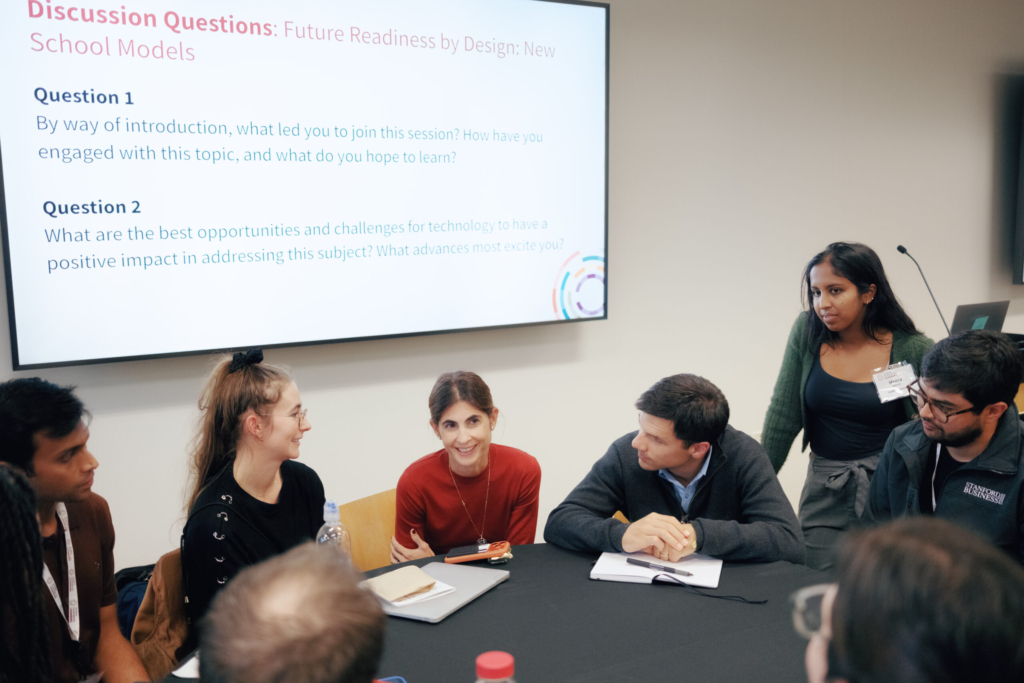
1. Future Readiness by Design: New School Models
How might we redesign schools, policies, and pedagogy for future readiness?
- Claire Fisher Moffett, Stanford Accelerator for Learning (moderator)
- Stacy Hawthorne, EdTech Leaders Alliance
- Ken Montgomery, Design Tech High School
- MacKenzie Price, Alpha School
2. Designing Technology for Trust and Connection
In an era of misinformation and AI-generated content, the most urgent skill may not be consuming information but questioning it. This session asks: can immersive tools and AI be designed to strengthen critical thinking, empathy, and human connection? Drawing on research in civic reasoning and real-world applications in schools, this conversation explores how to prepare learners not just to navigate the digital world, but to reshape it with discernment and care.
- Chris Agnew, Stanford Accelerator for Learning (moderator)
- Danny Johnson, Panorama
- Sam Wineburg, Stanford/Digital Inquiry Group
- Matt Winters, Utah State Board of Education
3. Designing Learning for Agency, Belonging, and Creativity
How can schools empower youth as co-creators of their learning and futures?
- Kristen Blair, Stanford Accelerator for Learning (moderator)
- Jennifer Frentress, San Carlos School District
- Laura McBain, Stanford d.school
- Greg Walton, Stanford
4. Community Design Session
What would it look like to empower youth as co-creators of their learning? Put your prototype where your mouth is in this hands-on design session where teams will bring ideas to life through a rapid R&D process. We will hypothesize, build, and share early-stage solutions.
- Reuben Thiessen, Stanford Accelerator for Learning (moderator)
- Josh Weiss, Stanford Accelerator for Learning (moderator)
-
Break
-
Pop-up Provocations
Lightning 10-minute provocations from bold voices.
1. When neuroscience and AI meet
- Paul Nuyujukian, Stanford
2. When history drives the future
- Maisha T. Winn, Stanford Accelerator for Learning
-
Recognition of the Student & Alumni Demo Day Winner
-
Funding the Future of Learning: Investing in Skills that Last
- Isabelle Hau, Stanford Accelerator for Learning (moderator)
- Amit A. Patel, Owl Ventures
- Nancy Poon Lue, Valhalla
-
Big Ideas Keynote: AI and the Future of Learning
A visionary close on how AI can expand human potential — if designed for creativity, resilience, and purpose.
- Rob Reich, Stanford (moderator)
- Kirsten Baesler, North Dakota Department of Public Instruction
- Ben Gomes, Google
-
Celebration & Connection Reception
At the close of the Summit, connect over local food and music.
Session recordings
Image gallery
Speakers
-
 Chris Agnew
Managing Director, AI Hub for Education at Stanford Accelerator for Learning
-
 Kirsten Baesler
Superintendent, North Dakota Department of Public Instruction
-
 Lakshmi Balasubramanian
Lecturer and Researcher, Stanford Graduate School of Education
-
 Kristen Blair
Director of Research, Digital Learning Initiative at Stanford Accelerator for Learning
-
 Keith Bowen
Program Director, Learning Design Challenge at Stanford Accelerator for Learning
-
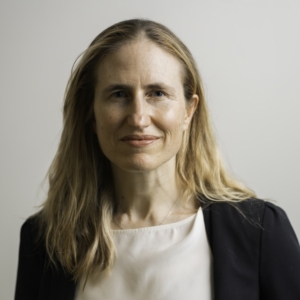 Emma Brunskill
Associate Professor of Computer Science, Stanford University
-
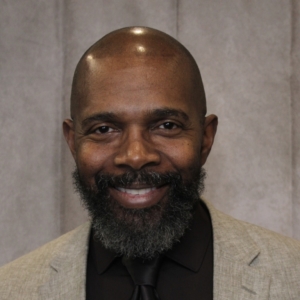 Richard Charles
Chief Information Officer, Denver Public Schools
-
 Joy Chen
Senior Advisor, Stanford Accelerator for Learning
-
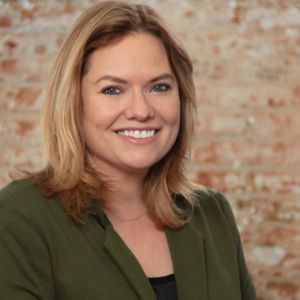 Faith Collins
Educational Technology Coordinator, Stanford Chariot Program
-
 Utkarsh Contractor
Senior Research Fellow, Stanford University
-
 James Donovan
Head of Cognitive Outcomes Research, OpenAI
-
 Carol Dweck
Lewis & Virginia Eaton Professor of Psychology, Stanford University
-
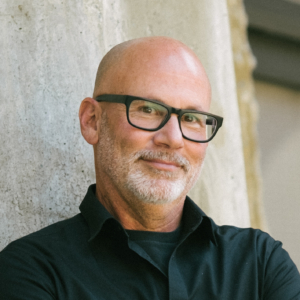 Philip Fisher
Faculty Director, Stanford Center on Early Childhood at Stanford Accelerator for Learning
-
 Jennifer Frentress
Superintendent, San Carlos School District
-
 Lisa Gevelber
Founder, Grow with Google
-
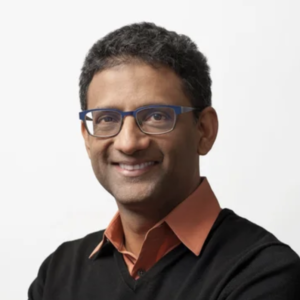 Ben Gomes
Chief Technologist, Learning and Sustainability at Google
-
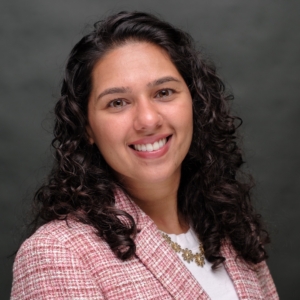 Radhika Gosavi
Associate Director, Brainwave Learning Center at Synapse School
-
 Sunil Gunderia
CEO & Co-founder, Literacy Mindset
-
 Isabelle Hau
Executive Director, Stanford Accelerator for Learning
-
 Rebecca Li Hao
AI Tinkery Mentor, Stanford Accelerator for Learning
-
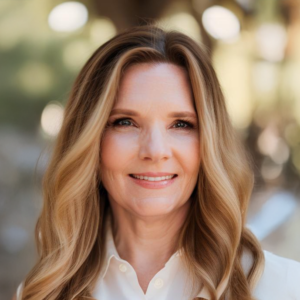 Stacy Hawthorne
Board Chair, CoSN
-
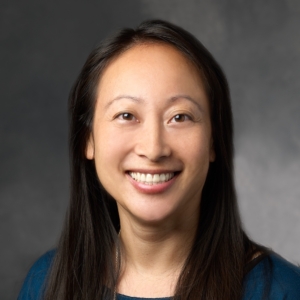 Kathy Ho
Educational Coordinator/Lead Teacher, Stanford Children's Hospital School
-
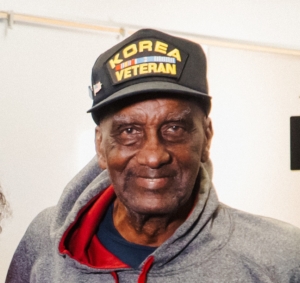 Robert Hoover
Distinguished Practitioner in Residence, Stanford Accelerator for Learning
-
 Bryce Johnson
Inclusive Designer, Microsoft
-
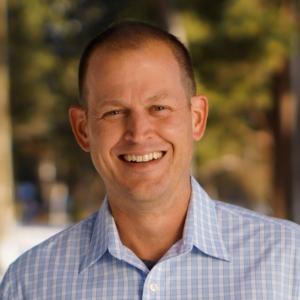 Danny Johnson
Chief Technology Officer, Panorama Education
-
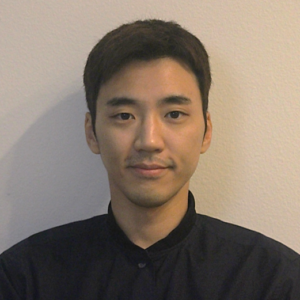 Kunwoo Kim
Postdoctoral Scholar, CCRMA at Stanford University
-
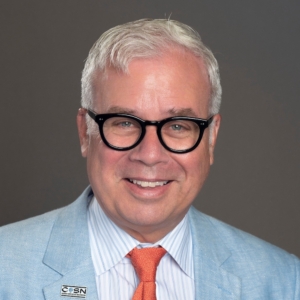 Keith Krueger
CEO, The Consortium for School Networking (CoSN)
-
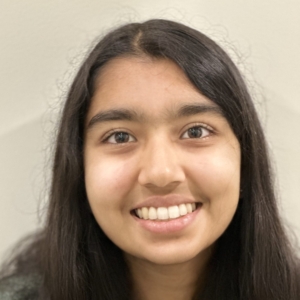 Anika Kumar
High school senior, Henry M. Gunn High School
-
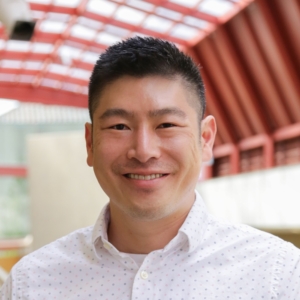 Victor Lee
Faculty Lead, AI+Education at Stanford Accelerator for Learning
-
 Christopher J. Lemons
Faculty Director, Learning Differences Initiative at Stanford Accelerator for Learning
-
 Jessica Lindl
CMO, Unity Technologies
-
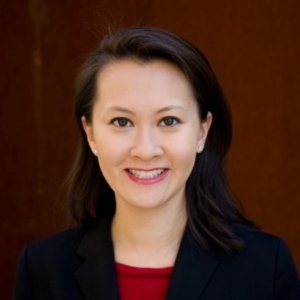 Nancy Poon Lue
Managing Director of K-12 and Data Science Education, Valhalla Foundation
-
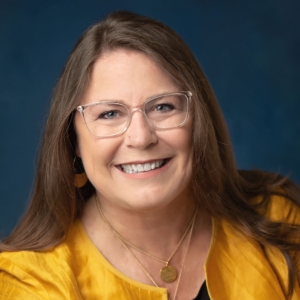 Kelly May-Vollmar
Superintendent of Schools, Desert Sands USD
-
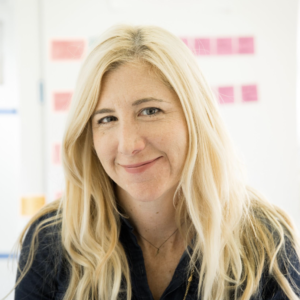 Laura McBain
Managing Director, Stanford d.school
-
 Ken Montgomery
Executive Director, Design Tech High School
-
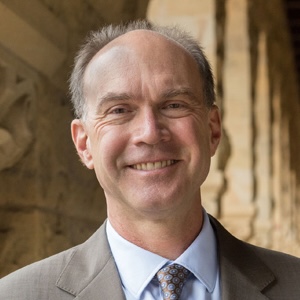 John Mitchell
Professor of Computer Science, Stanford University
-
 Claire Fisher Moffett
Director of Strategic Planning and Operations, Stanford Accelerator for Learning
-
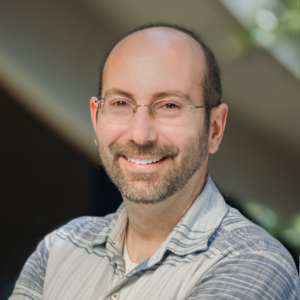 Paul Nuyujukian
Assistant Professor of Bioengineering and Neurosurgery, Stanford University
-
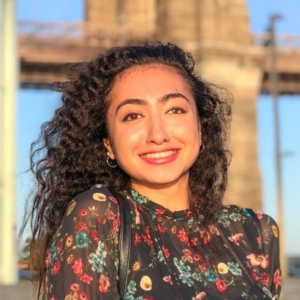 Imama Owaisi
AI Tinkery Mentor, Stanford Accelerator for Learning
-
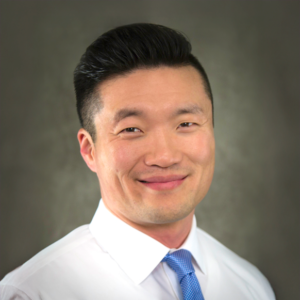 Sung Park
Education Innovation Technical Support Coordinator, Santa Clara County Office of Education
-
 Shelley Pasnik
SVP, External Affairs, Education Development Center
-
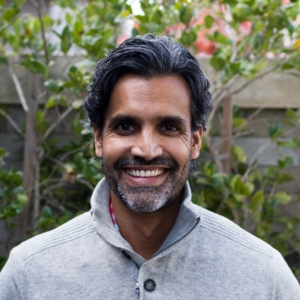 Amit A. Patel
Managing Director, Owl Ventures
-
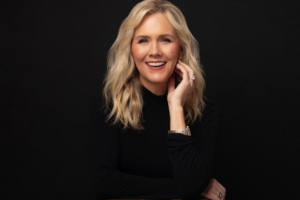 MacKenzie Price
Co-founder, Alpha School
-
 Anna Carolina Queiroz
Associate Professor, University of Miami
-
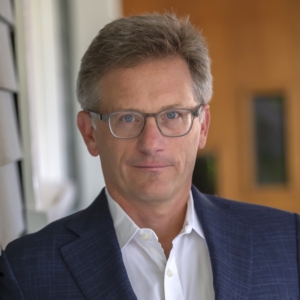 Rob Reich
McGregor-Girand Professor of Social Ethics of Science and Technology, Stanford University
-
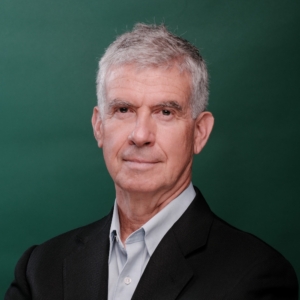 Daniel L. Schwartz
Dean, Stanford Graduate School of Education & Halper Family Faculty Director, Stanford Accelerator for Learning
-
 Adam Siegel
Teacher and Science Department Co-Chair at New Valley High School, Santa Clara Unified School District
-
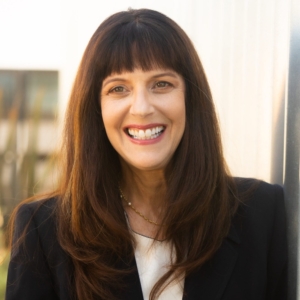 Martine Singer
President and CEO, Children's Institute
-
 Reuben Thiessen
Emerging Technology Lead, Accelerator Studio
-
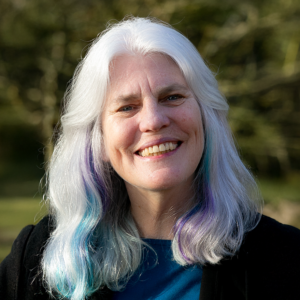 Candace Thille
Faculty Director, Adult and Workforce Initiative at Stanford Accelerator for Learning
-
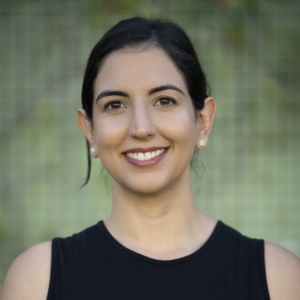 Liz Toomarian
Director, Brainwave Learning Center at Synapse School
-
 Jason A. Tyszko
Senior Vice President, U.S. Chamber of Commerce Foundation
-
 Ivo Visak
CEO, AI Leap Foundation in Estonia
-
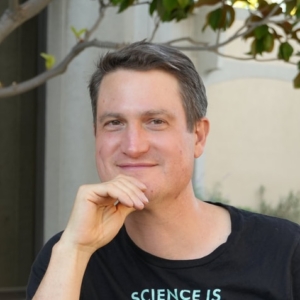 Greg Walton
Professor of Psychology, Stanford University
-
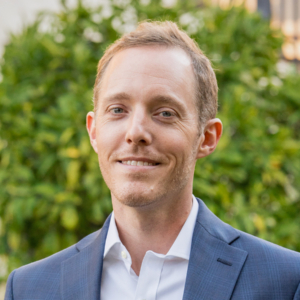 Josh Weiss
Director of Technology and Innovation, Accelerator Studio
-
 Sam Wineburg
Margaret Jacks Professor of Education, Emeritus; Co-Founder, Digital Inquiry Group
-
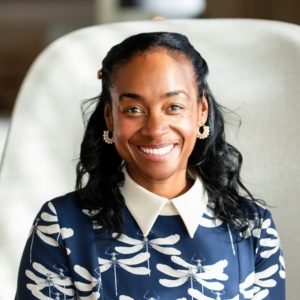 Maisha T. Winn
Faculty Director, Equity in Learning Initiative at Stanford Accelerator for Learning
-
 Matthew Winters
AI Education Specialist, Utah State Board of Education