
Hosted by Digital Learning
AI+Education Summit 2026
- In person
- Open to Invited Guests
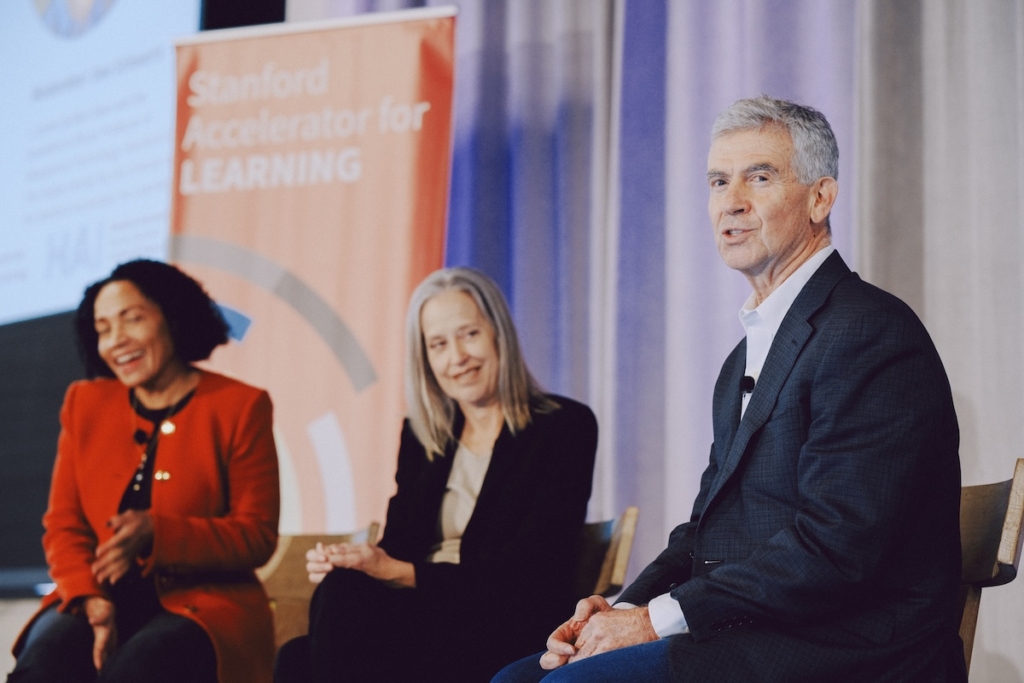
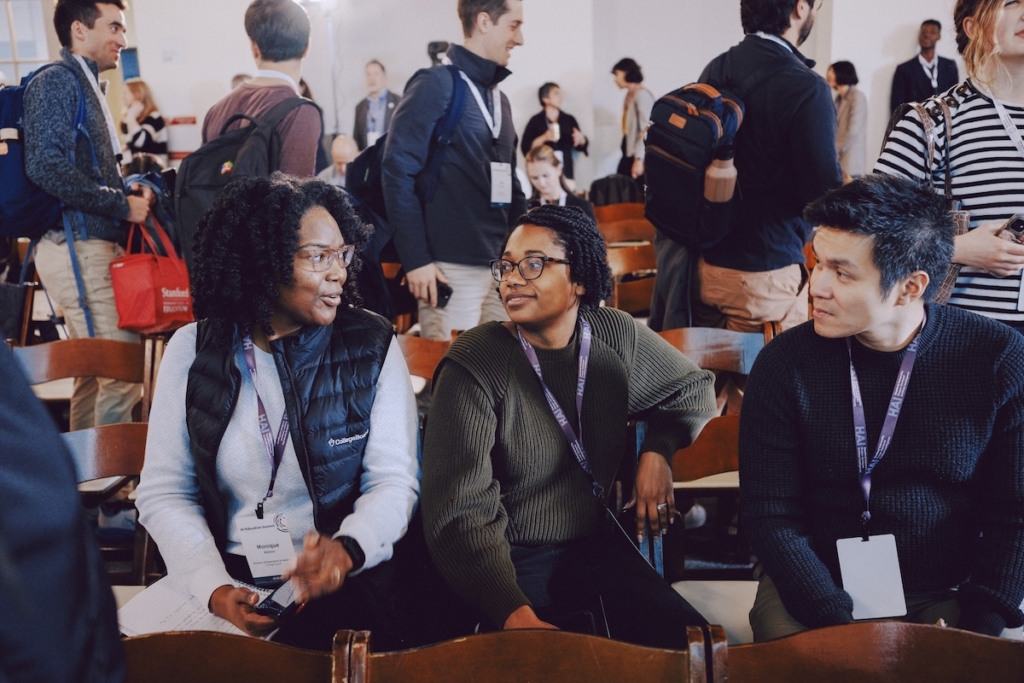
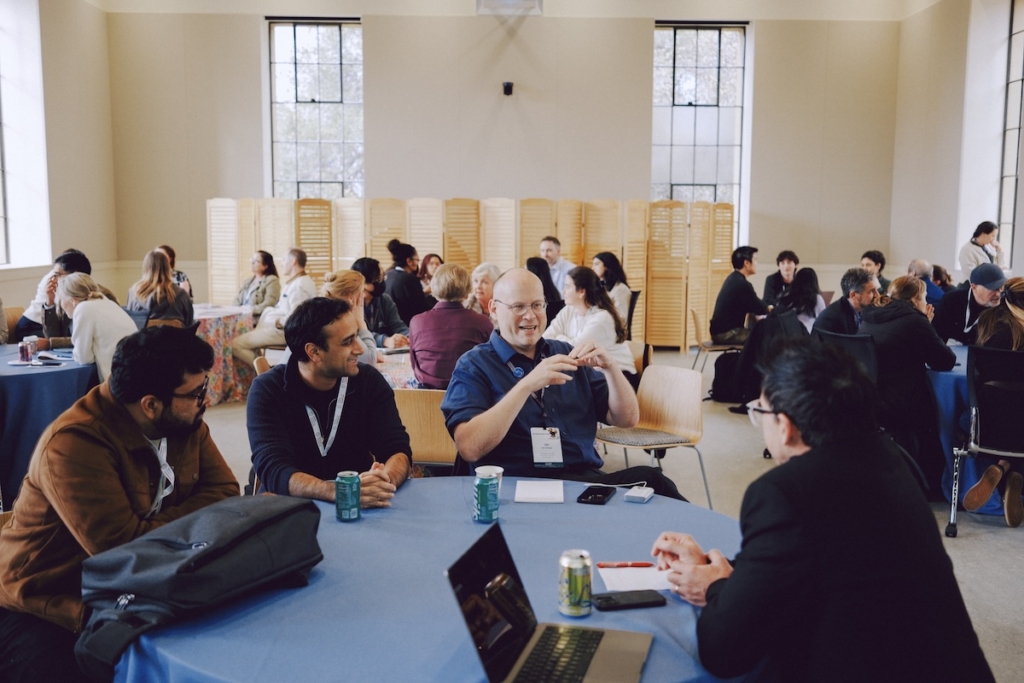
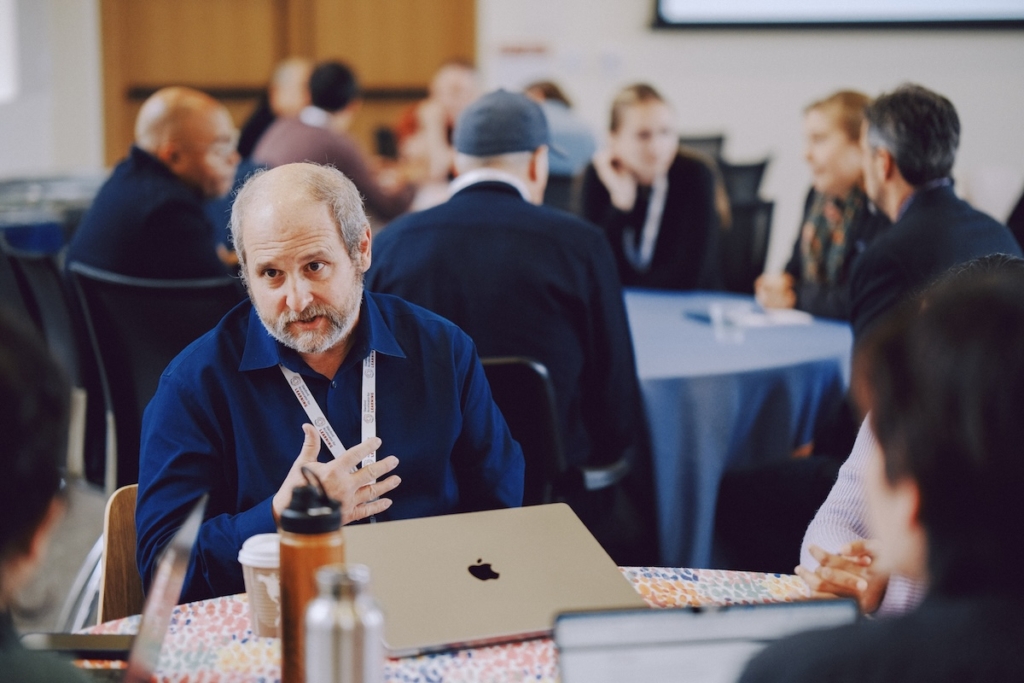
Now in its fourth year, the AI + Education Summit convened researchers, educators, technology leaders, policymakers, and philanthropic partners at a moment of real uncertainty—and unprecedented possibility. AI is advancing faster than our learning systems, raising urgent questions about creativity, critical thinking, fairness, trust, opportunity, and what it truly means to learn.
This year’s gathering grappled with that inflection point: how AI, grounded in the learning sciences, can strengthen learning rather than weaken it, expand creativity and critical thinking rather than narrow them, and help us move education from universal access to universal learning for every learner.
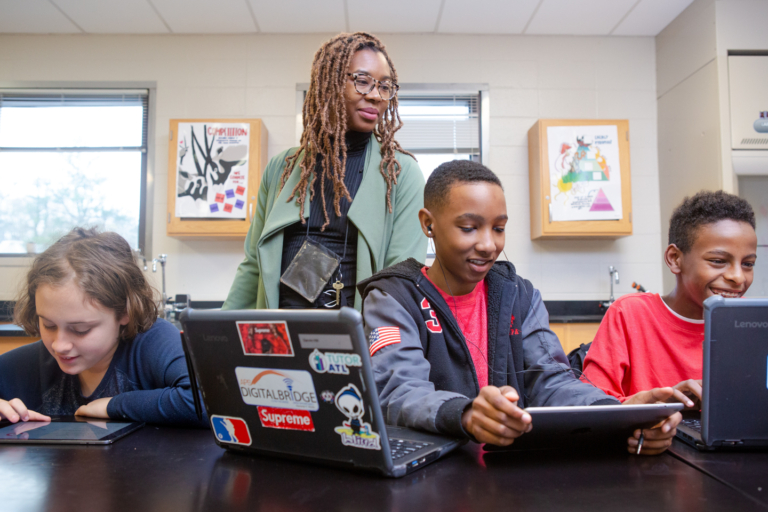
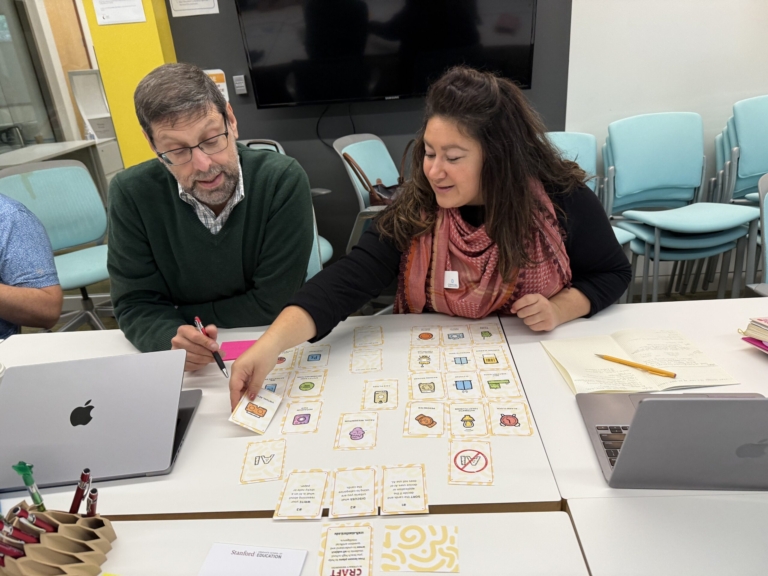
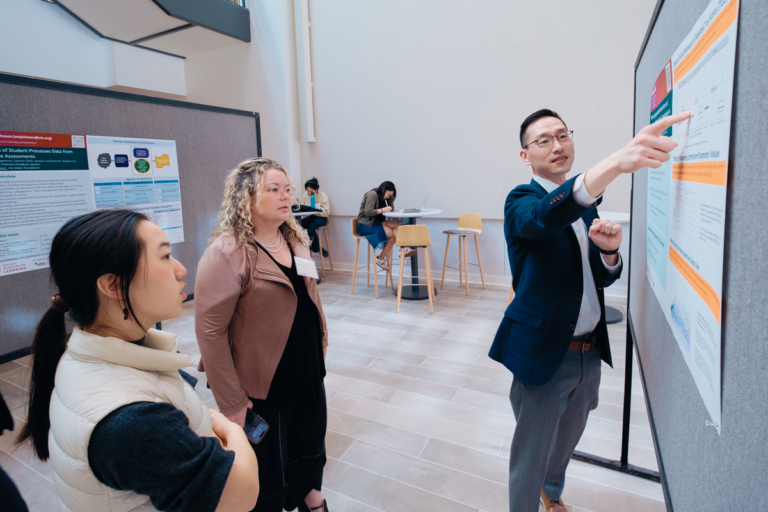
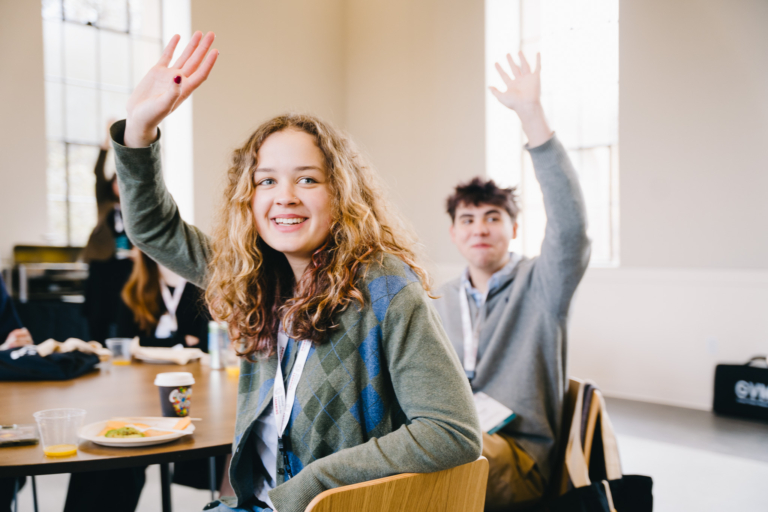
Photos: Ryan Zhang
Wednesday, February 11
-
Registration
-
Welcome
Remarks to ground the day in purpose: accelerating responsible, human-centered AI for every learner, and tensions in research about the possibilities and risks with AI.
Speakers: - Isabelle Hau, Stanford Accelerator for Learning
- Patrick Hynes, Stanford Institute for Human-Centered Artificial Intelligence (HAI)
-
The Inflection Point: A New Purpose for Learning
A powerful opening that frames AI not as an endpoint, but as a catalyst for rethinking why we learn. How can AI deepen human connection, creativity, and flourishing? How do we shift from universal access to universal learning? This session sets the tone for a day defined by imagination, science, and possibility.
Speakers: - Denise Pope, Stanford Graduate School of Education
- Randi Michel, Office of California Governor Gavin Newsom
-
Scaling Human-Centered AI: What It Takes to Transform Learning for All
This session will explore what it truly means to bring AI to education at scale in ways that expand opportunity and strengthen the essential role of educators. Panelists will discuss emerging breakthroughs—from AI tutors and multimodal learning to learning-science-aligned feedback loops, datasets, and benchmarks—as well as the guardrails required to ensure AI systems advance safety, equity, and trust as they reach millions of learners.
Speakers: - Susan Athey, Stanford Graduate School of Business
- Amanda Bickerstaff, AI for Education
- Ian Chiu, Owl Ventures
- James Landay, Stanford Institute for Human-Centered Artificial Intelligence (HAI)
- Moderator: Lewis Leiboh, Gates Foundation
-
Creativity in the Age of AI: Catalyst or Hindrance?
As AI reshapes how we learn, solve problems, and express ideas, its influence on human creativity has never been more profound—or more paradoxical. This session explores where AI expands learners’ creative potential, offering new tools for imagining and making, and where it risks narrowing curiosity, originality, and deeper thinking.
Speakers: - Chris Chafe, Stanford CCRMA
- Mehran Sahami, Stanford School of Engineering
- Hari Subramonyam, Stanford Graduate School of Education
- Guilherme Lichand, Stanford Graduate School of Education
- Moderator: Brian Johnsrud, Adobe
-
Break
-
How AI is Transforming How We Teach
This session highlights grounded, real-world stories of how educators and learners are navigating AI—what’s opening up, what’s challenging, and what’s needed next.
Speakers: - Loodwige Lince, STEM From Dance
- Daniela Di Giacomo, University of Kentucky
- Pravin Kaipa, Mountain View Whisman School District
- Michael Taubman, Uncommon Schools
- Moderator: Maisha Winn, Stanford Accelerator for Learning
-
Future of Assessment in the Age of AI
This session reports on a prior session held at Stanford on January 29 in collaboration with ETS, summarizes key takeaways and next steps.
Speakers: - Candace Thille, Stanford Accelerator for Learning
- Jesse Sparks, ETS Research Institute
-
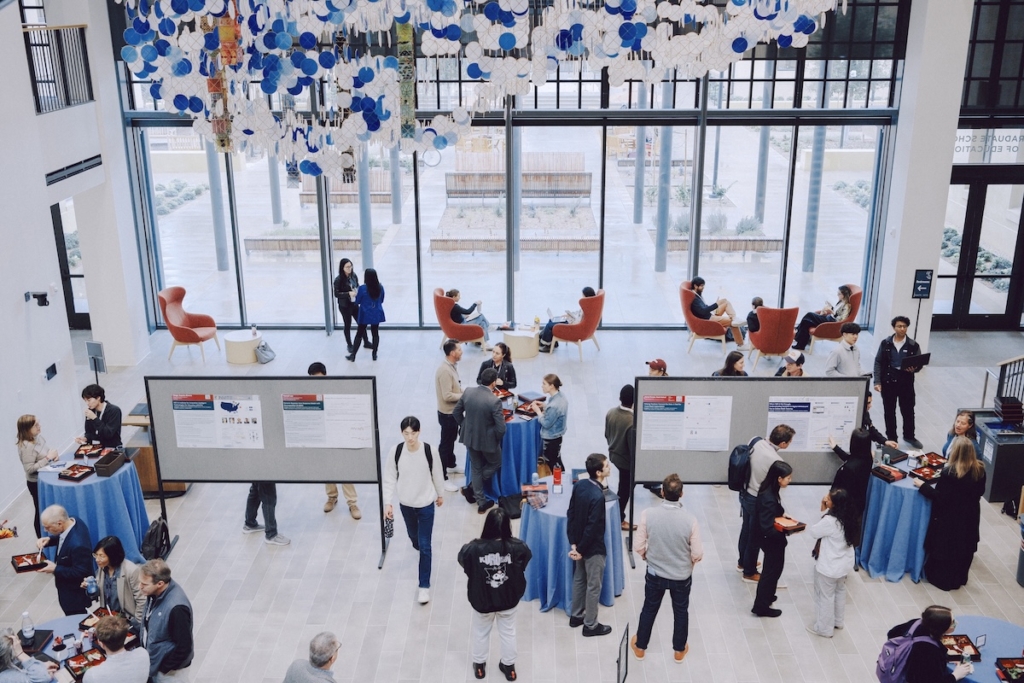
Lunch & Learning Conversations
Join us for a student poster session.
-
Fireside Chat: Blueprints for a Global Human-Centered Learning System
Speakers: - Miriam Rivera, Ulu Ventures
- Wendy Kopp, Teach For All
- Moderator: Dan Schwartz, Stanford Graduate School of Education
-
AI Quests: When Learning Sciences Meet Product Design toward AI Literacy
This session explores how educators and learners are bridging the gap between rapid AI innovation and public understanding. Google Research and Stanford Accelerator for Learning expand AI literacy using immersive, real-world experiences and sound pedagogy. They turn complex research into age-appropriate lessons, emphasizing decision-making and ethics in AI.
Speakers: - Alon Harris, Google
- Victor Lee, Stanford Graduate School of Education
- Moderator: Ronit Levavi Morad, Google
-
Breakout Sessions
-
Breakout 1 — Building Trust: Safety, Privacy, Ethics and Responsible AI for Learners
The conversation will explore some of the most urgent issues of our time: what child safety means in an AI age; how to design systems grounded in transparency, explainability, and accountability; and what policies, safeguards, and ethical frameworks must be in place for responsible adoption at scale.
Speakers: - Nathaniel Persily, Stanford Law School
- Meira Levinson, Stanford Graduate School of Education
- Alexander “Sasha” Sidorkin, California State University Sacramento
- Erin Mote, InnovateEDU
- Moderator: Geoff Cox, Stanford Graduate School of Education
-
Breakout 2 — Learning Differences as a Frontier for Innovation: Designing AI With and For All Learners
Too often, neurodiverse learners and students with disabilities are an afterthought in AI design. This session reframes learning differences as a driver of innovation, exploring how AI—when co-designed with learners and educators—can unlock strengths, provide meaningful scaffolds, and support inclusive learning at scale. The conversation will highlight Universal Design for Learning in an AI ecosystem, alongside the importance of safety, bias mitigation, and relational supports.
Speakers: - Dennis Wall, Stanford School of Medicine
- Lindsay Jones, CAST
- Glenna Wright-Gallo, Everyway
- Dan Abrams, Stanford School of Medicine
- Julia Beth Dimitriou, Fremont Unified School District
- Moderator: Lakshmi Balasubramanian, Stanford Graduate School of Education
-
Breakout 3 — The Social Learning Revolution: How AI Is Transforming How We Connect, Collaborate, and Grow
Learning is fundamentally social, and AI is beginning to reshape how we connect, collaborate, and grow together. This session explores how AI can support richer interactions, strengthen relationships, and expand learning and wellbeing when designed with human connection at the center, while also examining the risks of isolation, over-automation, and weakened social bonds if we get it wrong.
Speakers: - Pilyoung Kim, Center for Brain, AI, and Child (BAIC)
- Scott Weiss, Goodnotes
- Caroline Figueroa, Stanford Medical Center
- Bethanie Drake-Maples, Atypical AI & Stanford Graduate School of Education
- Moderator: Glenn Kleiman, Stanford Accelerator for Learning
-
Break
-
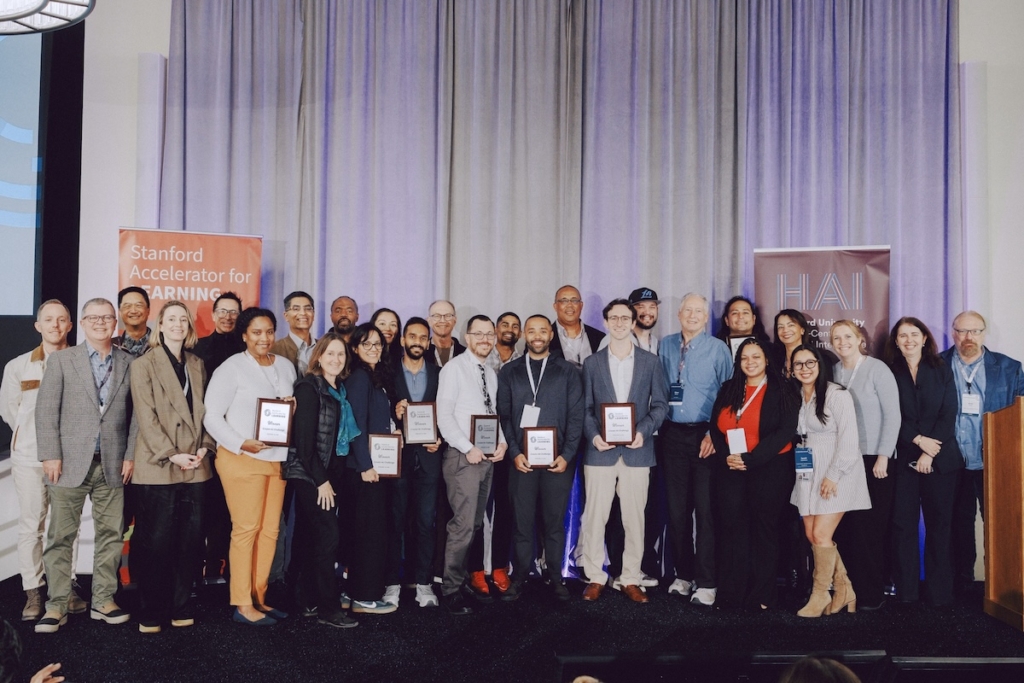
Create+AI Challenge Ceremony
Speakers: - Isabelle Hau, Stanford Accelerator for Learning
- Sarahi Espinoza Salamanca, Stanford Accelerator for Learning
- Torie Bates, Google
-
Closing Session: From Possibility to Progress
Speakers: - Rebecca Winthrop, Brookings Institute
- Neerav Kingsland, Anthropic
- Susanna Loeb, Stanford Accelerator for Learning
- Shantanu Sinha, Google for Education
- Moderator: John Hennessy, Stanford University
-
Reception
Light bites and networking to spark new collaborations.
Read the recap
Artificial intelligence
AI challenges core assumptions in education
We need to rethink student assessment, AI literacy, and technology’s usefulness, according to experts at the recent AI+Education Summit.
Read the story: AI challenges core assumptions in education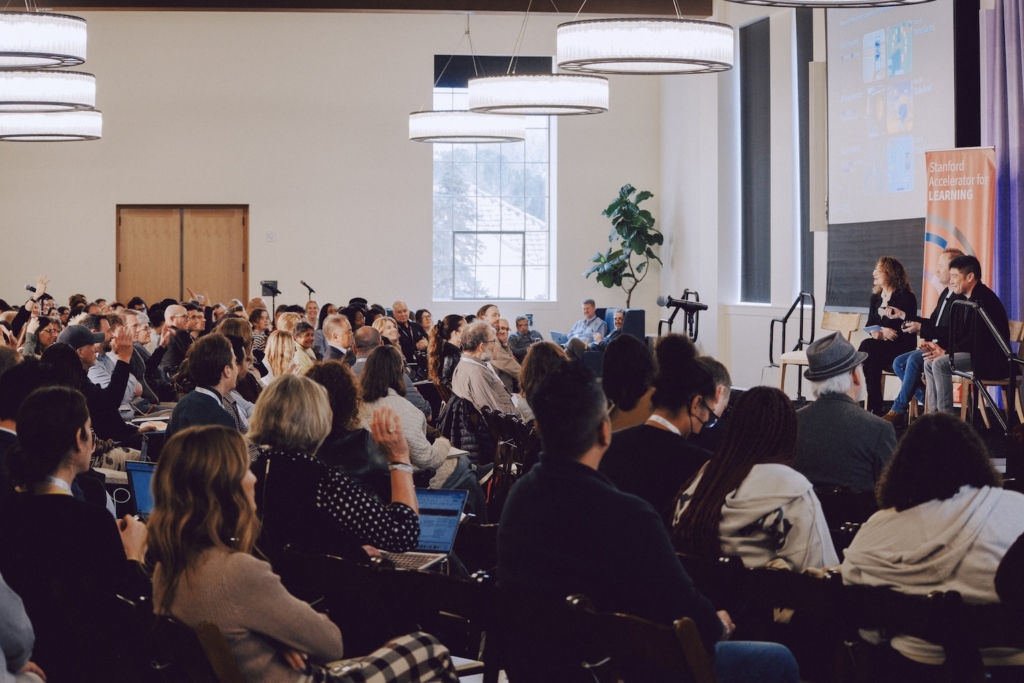
Session recordings
Image gallery
Speakers
-
 Daniel Abrams
Clinical Associate Professor, Stanford School of Medicine
-
 Susan Athey
Professor of Economics, Stanford Graduate School of Business
-
 Lakshmi Balasubramanian
Senior Researcher, Stanford Graduate School of Education
-
 Torie Bates
EdTech Innovation Program Manager, Google.org
-
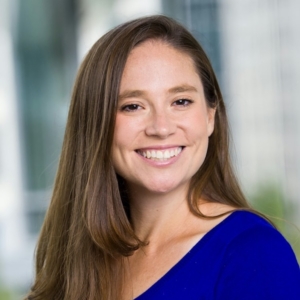 Amanda Bickerstaff
CEO, AI for Education
-
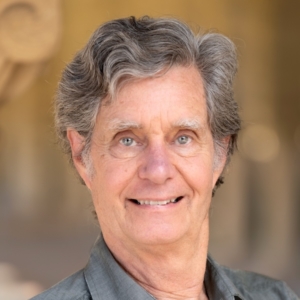 Chris Chafe
Music Department Chair, Stanford Center for Computer Research in Music and Acoustics
-
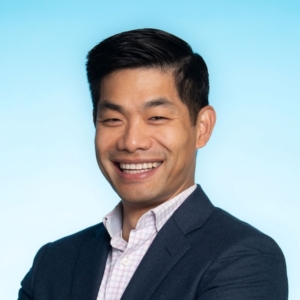 Ian Chiu
Managing Partner, Owl Ventures
-
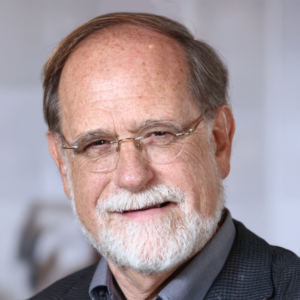 Geoffrey Cox
Professor of the Practice, Stanford Graduate School of Education
-
 Daniela Kruel DiGiacomo
Associate Professor, University of Kentucky
-
 Julia Beth Dimitriou
Education Specialist, Fremont Unified School District
-
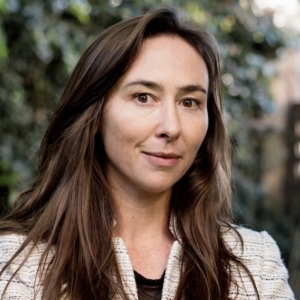 Bethanie Drake-Maples
CEO, Atypical AI; Researcher, Stanford Graduate School of Education
-
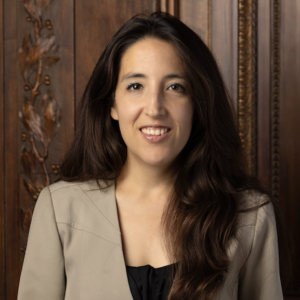 Caroline Figueroa
Harkness Fellow & Visiting Assistant Professor, Stanford School of Medicine
-
 Alon Harris
Senior Program Manager, Google Research
-
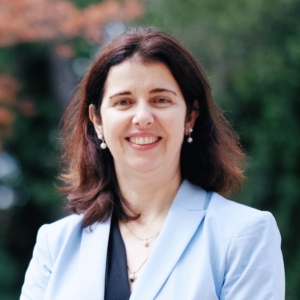 Isabelle Hau
Executive Director, Stanford Accelerator for Learning
-
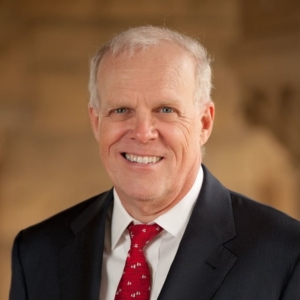 John Hennessy
Chairman, Alphabet Inc. & President Emeritus, Stanford University
-
 Patrick Hynes
Senior Manager of Research Communities, Stanford Institute for Human-Centered Artificial Intelligence
-
 Brian Johnsrud
Director of Education, Adobe
-
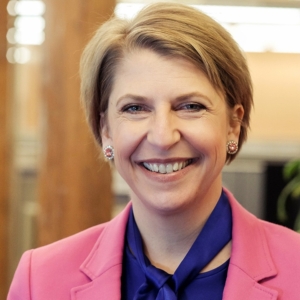 Lindsay Jones
CEO, CAST
-
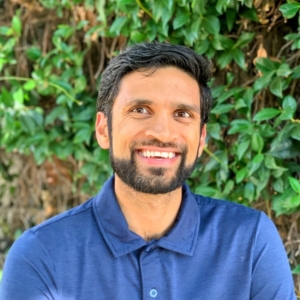 Pravin Kaipa
Education Specialist/Teacher Tech Mentor, Mountain View Whisman School District
-
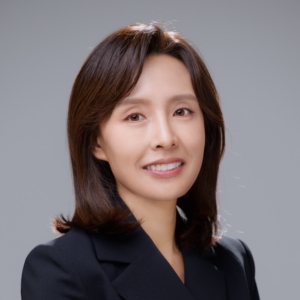 Pilyoung Kim
Director; Center for Brain, AI, and Child (BAIC)
-
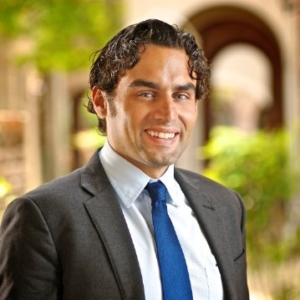 Neerav Kingsland
Strategic Initiatives, Anthropic
-
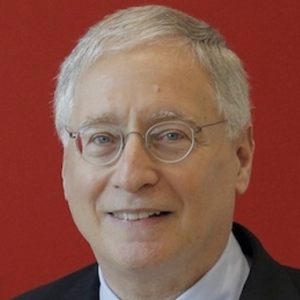 Glenn Kleiman
Senior Advisor, Stanford Accelerator for Learning
-
 Wendy Kopp
CEO & Co- Founder, Teach For All
-
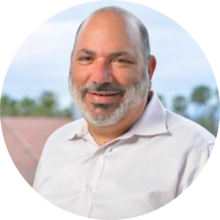 James Landay
Anand Rajaraman and Venky Harinarayan Professor, Stanford School of Engineering
-
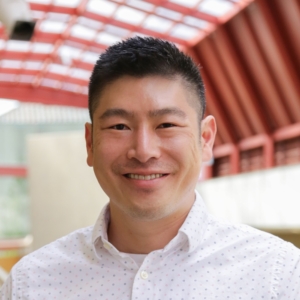 Victor Lee
AI + Education Faculty Lead, Stanford Accelerator for Learning
-
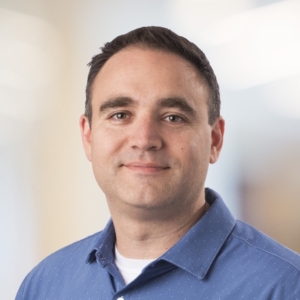 Lewis Leiboh
Deputy Director, K-12 Education R&D; Gates Foundation
-
 Meira Levinson
Professor, Stanford Graduate School of Education
-
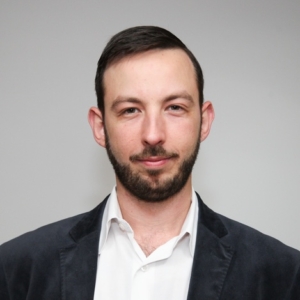 Guilherme Lichand
Assistant Professor, Stanford Graduate School of Education
-
 Loodwige Lince
Program Impact Manager, STEM From Dance
-
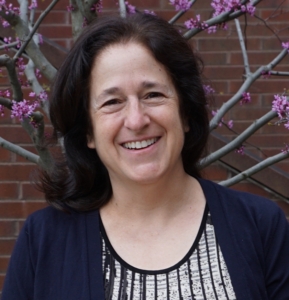 Susanna Loeb
SCALE Initiative Faculty Director, Stanford Accelerator for Learning
-
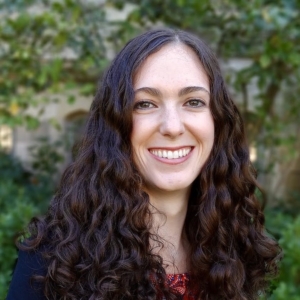 Randi Michel
Senior Advisor for Technology, Office of Governor Gavin Newsom
-
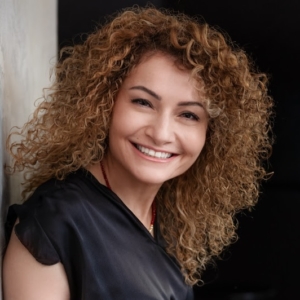 Ronit Levavi Morad
Senior Director, Google; Chief of Staff, Google Research
-
 Erin Mote
CEO, InnovateEDU
-
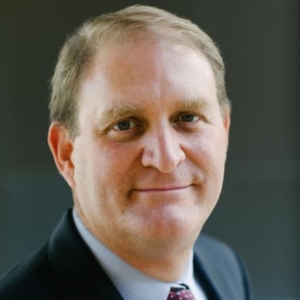 Nathaniel Persily
McClatchy Professor of Law, Stanford Law School
-
 Denise Pope
Senior Lecturer, Stanford Graduate School of Education
-
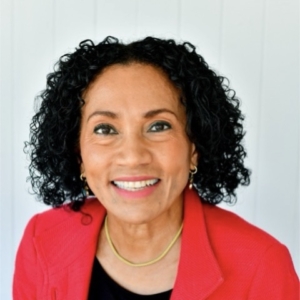 Miriam Rivera
CEO, Co-Founder & Managing Director; Ulu Ventures
-
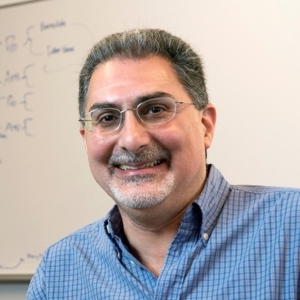 Mehran Sahami
James and Ellenor Chesebrough Professor, Stanford School of Engineering
-
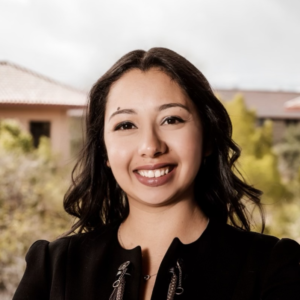 Sarahí Espinoza Salamanca
Education Entrepreneurship Hub Project Manager, Stanford Accelerator for Learning
-
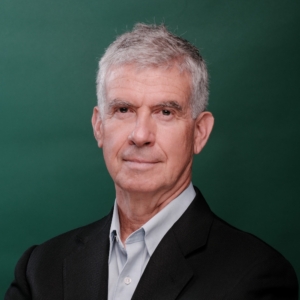 Daniel L. Schwartz
Halper Family Faculty Director, Stanford Accelerator for Learning
-
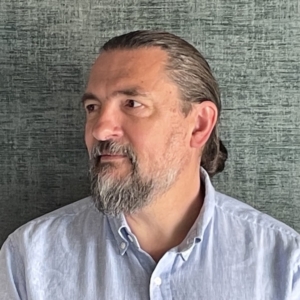 Alexander "Sasha" Sidorkin
Professor, California State University Sacramento
-
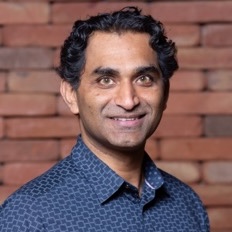 Shantanu Sinha
VP, Product Management; Google for Education
-
 Jesse R. Sparks
Research Director, ETS Research Institute
-
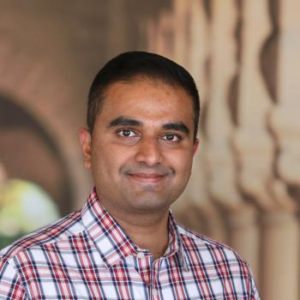 Hari Subramonyam
Assistant Professor, Stanford Graduate School of Education
-
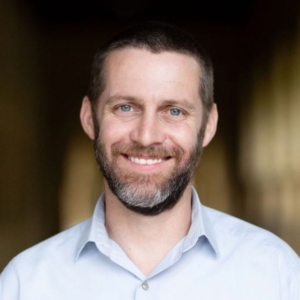 Mike Taubman
Teacher, Program Director, and AI Innovation Lead; Uncommon Schools
-
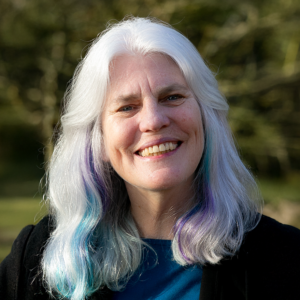 Candace Thille
Adult & Workforce Learning Initiative Faculty Director, Stanford Accelerator for Learning
-
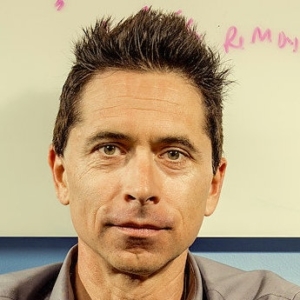 Dennis Wall
Professor, Stanford School of Medicine
-
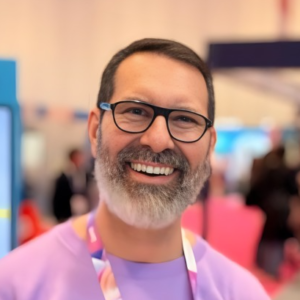 Scott Weiss
Education Team Lead, Goodnotes
-
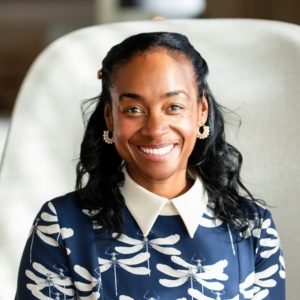 Maisha T. Winn
Equity in Learning Initiative Faculty Director, Stanford Accelerator for Learning
-
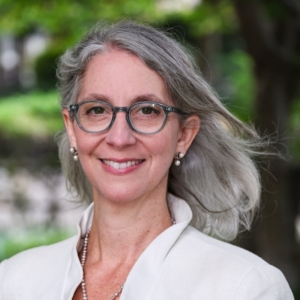 Rebecca Winthrop
Senior Fellow and Director, Brookings
-
 Glenna Wright-Gallo
Vice President, Office of Strategic Research and Policy; Everway
More events
Past events
Online
Info Sessions: AI + Learning Impact Grants
Join one of three informational sessions to learn about the Accelerator's new impact grants for projects that are ready to scale.
Learn more: Info Sessions: AI + Learning Impact Grants
Online
Info Sessions: AI + Learning Impact Grants
Join one of three informational sessions to learn about the Accelerator's new impact grants for projects that are ready to scale.
Learn more: Info Sessions: AI + Learning Impact Grants
In person
Virtual Reality + Science Sensemaking Professional Development Workshop
The Accelerator is excited to invite 5th–10th grade science educators to join a summer PD workshop focused on supporting students in a Virtual Field Trip (VFT) creation project next school year.
Learn more: Virtual Reality + Science Sensemaking Professional Development Workshop