

ASU+GSV 2024
- In person
- Open to General Public
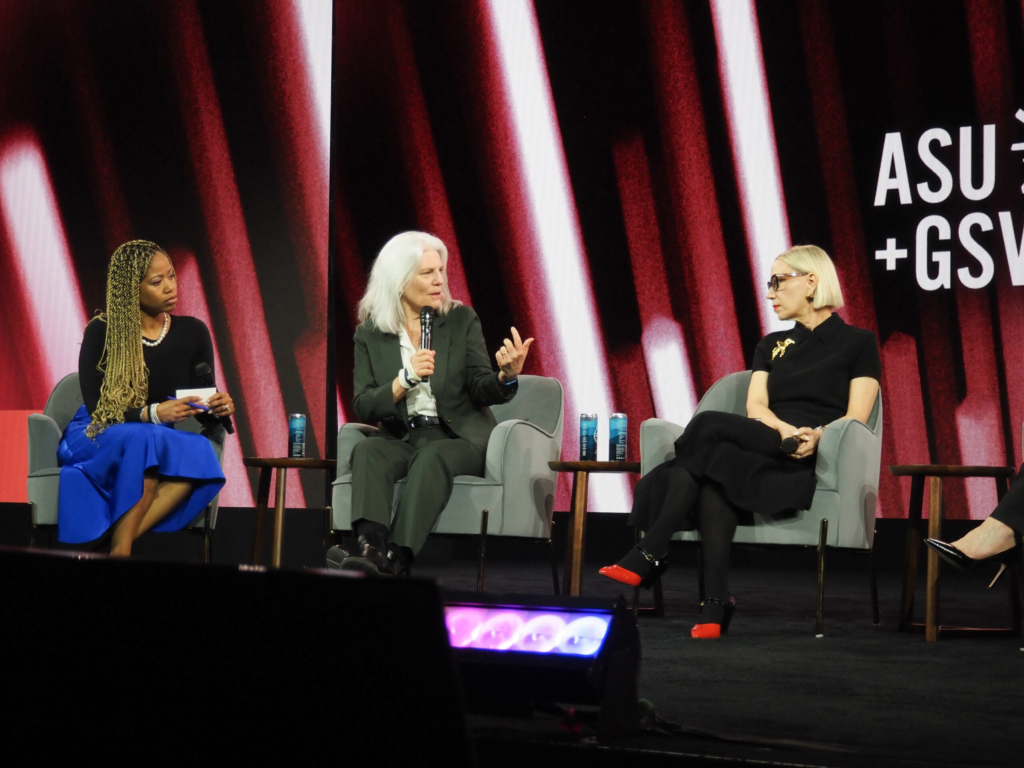
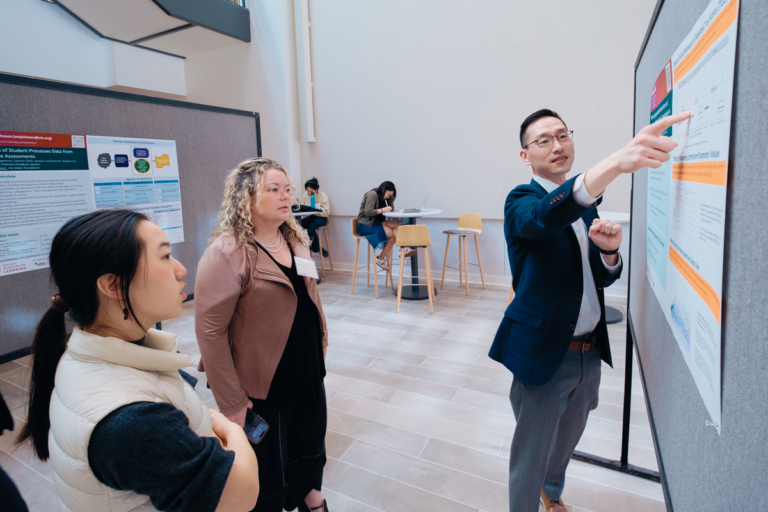
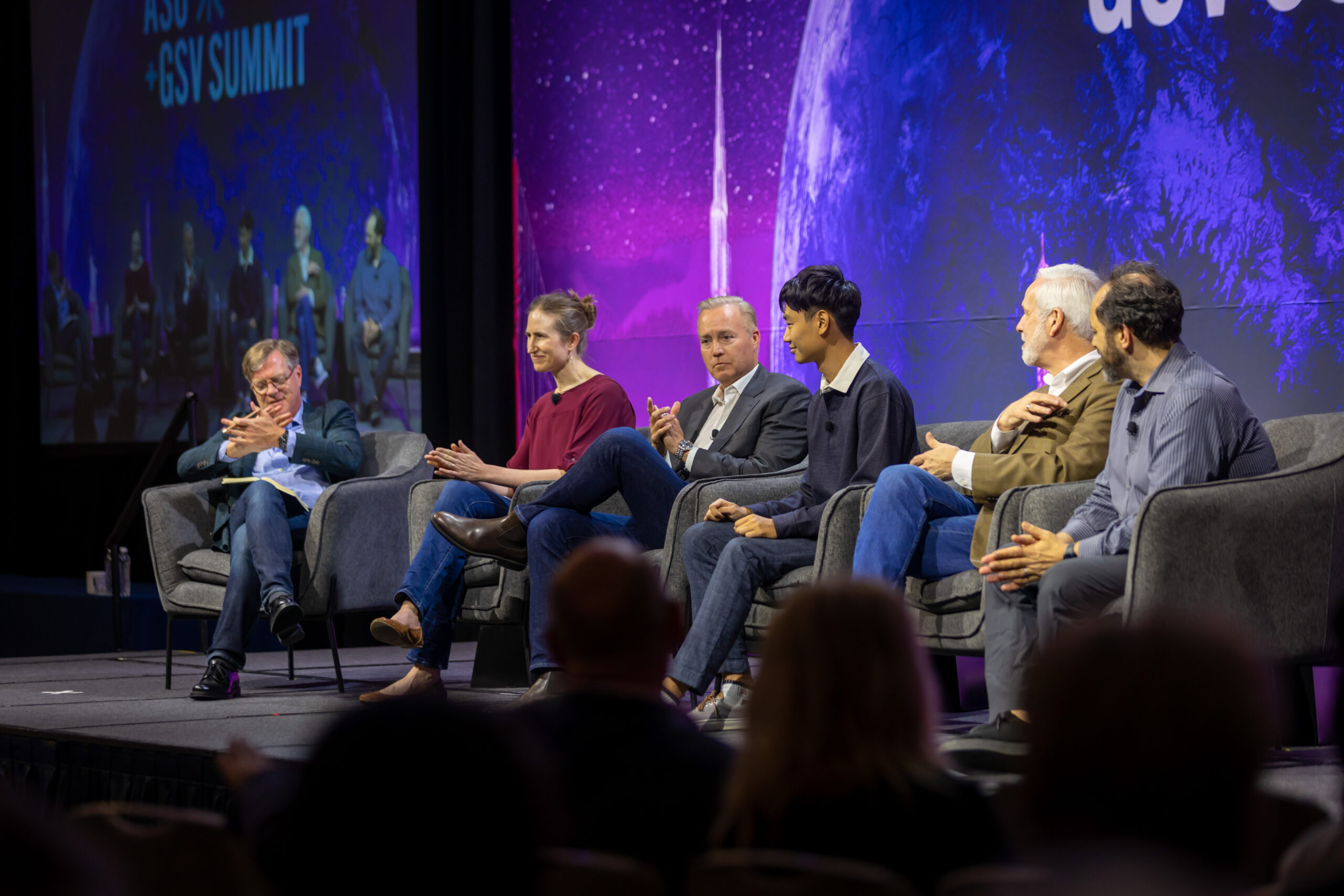
An annual conference on education innovation and technology, the ASU+GSV Summit draws startup founders, edtech CEOs, investors, policymakers, and foundations from over 130 countries. This year, a pre-conference gathering called the AIR Show, exploring AI and education, will take place for two days prior to the summit.
Saturday, April 13
-
Making the AI Revolution a Reality!
16B, Mezzanine, Level 2
Speaker: Isabelle Hau, executive director of the Stanford Accelerator for Learning
We’re only just beginning to understand the future of AI in education. Join the panelists for a discussion on their early learnings, how they’re navigating challenges, and where they’re headed next.
Sunday, April 14
-
Educator Interactive Workshop: Design Your Own Chatbot
16B, Mezzanine, Level 2
Speakers: Cathy Chase, senior research scholar for AI + Education; Josh Weiss, director of digital learning solutions; Reuben Thiessen, project management specialist, Stanford Accelerator for Learning
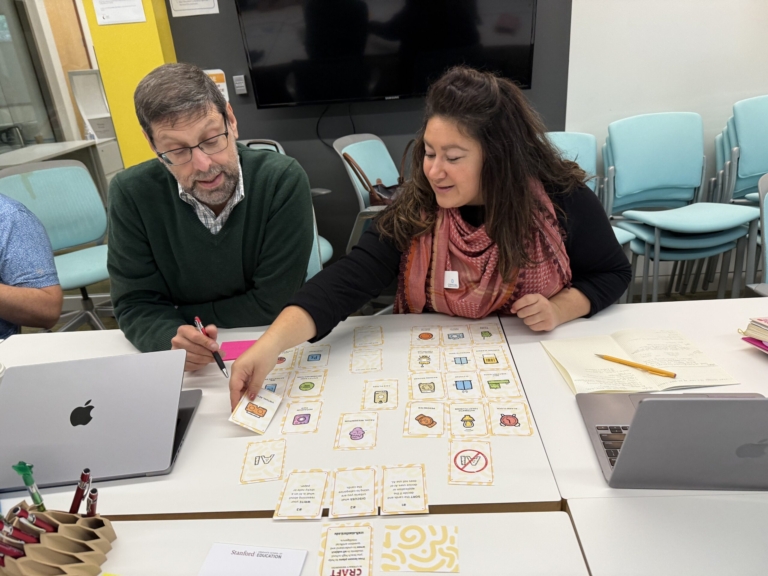
This hands-on session will equip you with the skills needed to tailor-make a chatbot that supports you in creating a bot that meets the unique needs of your learners. Starting with a design framework, participants will be guided through the process of conceptualizing and outlining a chatbot. Key elements such as conversation flow, user intents, and responses will be explored, supporting you to create a powerful, AI embedded learning experience with your students. We’ll address some pressing questions such as: How can we develop chatbots that are both adaptable and reliable in educational settings? What techniques can be employed to infuse interactions with a sense of individuality and warmth? What strategies can help your chatbot consistently deliver high-quality responses?
Monday, April 15
-
No Stupid Questions: Decoding LLMs for AI-Curious Educators
17A, Mezzanine, Level 2
Speakers: Josh Weiss, director of digital learning solutions, and Reuben Thiessen, project management specialist, Stanford Accelerator for Learning
Join the Stanford Accelerator for Learning for an AMAA (Ask Me Almost Anything) session tailored for educators keen to delve into the world of large language models (LLMs) such as GPT-4. This session offers a platform for educators to ask questions, share insights, and explore the potential applications and ethical considerations of LLMs in education.
In this engaging session, participants will:
- Ask questions about how LLMs function and learn what it takes to build AI apps yourself
- Explore practical applications of LLMs for your classroom or school
- Discuss strategies for integrating LLMs into classroom practices while considering the impact for you and your students
Bring your expertise and curiosity, and join us for a lively discussion where your questions will drive the conversation. Let’s explore together how LLMs may shape the future of education.
-
StageX Monday Lunch: Efficiency and Innovation in the Age of AI
Seaport Ballroom A-E, Level 2
Daniel Schwartz, dean of the Stanford Graduate School of Education and faculty director of the Stanford Accelerator for Learning, reflects on how AI is changing learning.
-
New Dawn for Neurodiversity: EdTech's Transformative Role
Harbor B, Level 2
Speaker: Bruce McCandliss, professor and Stanford Accelerator for Learning faculty affiliate
This session invites a diverse group of thought leaders, including innovative edtech startup CEOs, educators, and neurodiversity advocates, to explore the pivotal role edtech plays in creating inclusive, accessible learning environments for all students, regardless of their neurocognitive differences. Panelists will share insights on the latest technologies and pedagogical approaches that honor neurodiversity as a valuable aspect of the educational ecosystem. Attendees will learn about the challenges and triumphs of integrating edtech solutions that cater to a wide range of learning styles and needs, fostering an educational climate where every student can thrive.
-
The Challenges of Being a University President in 2024
Seaport Ballroom F-G, Level 2
Speaker: Mitchell Stevens, professor and Stanford Accelerator for Learning faculty affiliate
As the higher education landscape continues to evolve and face myriad challenges, the role of university leadership has never been more critical. Hear from a panel of esteemed college presidents leading their institutions through a continued evolution of the higher education landscape.
Tuesday, April 16
-
Will Generative AI be the World’s Greatest Learning Acceleration?
Sun Stage, Seaport Ballroom F-G, Level 2
Speaker: Isabelle Hau, executive director of the Stanford Accelerator for Learning
As we stand on the cusp of a new era in education, the advent of generative AI prompts us to question: Will it be the world’s greatest learning accelerator? This discussion will explore the multifaceted impact of AI on education, from its potential to significantly enhance learning outcomes to the challenges it poses in ensuring academic integrity. Learn how to navigate the complex intersection of AI and education and how might we leverage AI to cultivate critical problem-solving skills, redefine the concept of cheating, and position humans as the architects of a new educational paradigm where machines offer unmatched analytical capabilities. We’ll discuss the transformative possibilities and critical considerations that come with integrating generative AI into the educational landscape, paving the way for a future where learning acceleration is not just a possibility but a reality.
-
State of the Art & Practice Lightning Talks: Eradicating Illiteracy PreK-12
Glass Classroom, Town Square
Speaker: Jason Yeatman, associate professor and Stanford Accelerator for Learning faculty affiliate
It is possible to eradicate illiteracy in America. Doing so will require all reading solutions to fundamentally change. This is especially true for tech-enabled tools. In this session, we highlight the key gaps in functionality that reading tools should address. We bring experts to highlight the importance of embedded validated assessments and attending to students who have a range of language backgrounds. We conclude with key questions tool providers and schools should answer through collaboration.
-
Academic Integrity and Assessment in a Generative AI World
Coronado E, Level 4
Speaker: Victor Lee, associate professor and faculty lead for AI + Education at the Stanford Accelerator for Learning
This panel will dive into the complexities and challenges of maintaining academic integrity in a world where new Generative AI-powered tools are being introduced daily. Join leaders from GPTZero, Turnitin, Stanford’s Graduate School of Education, and Lottus Education for a thoughtful discussion. These industry and academic leaders will explore innovative strategies to uphold integrity in assessments and assignments in the face of advancing AI technologies. Delve into their insights on balancing the benefits of AI tools with ethical practices and the preservation of academic standards. This panel promises to be an essential conversation for educators, administrators, and tech professionals navigating the dynamic intersection of AI and education.
-
StageX Tuesday Lunch: Rise and Shine: Driving Economic Mobility in a Gen AI World
Seaport Ballroom A-E, Level 2
Candace Thille, faculty director of the adult & workforce learning initiative at the Stanford Accelerator for Learning, shares the stage with fellow AI and workforce learning experts
-
Assessing Mind and Machine: Measuring What Matters in AI Learning
Harbor H, Level 2
Speaker: Emma Brunskill, associate professor and Stanford Accelerator for Learning faculty affiliate
In an era where technology intertwines with every facet of our lives, education stands at the forefront of a transformative wave, propelled by Artificial Intelligence (AI). We invite educators, technologists, and policymakers to delve into the heart of this transformation, examining the nuanced dynamics of AI’s role in the classroom. The panelists will guide you through the labyrinth of AI efficacy, offering a balanced perspective on its advantages and challenges. We’ll explore innovative methodologies for measuring AI’s effectiveness in enhancing student engagement, comprehension, and critical thinking skills. Prepare to challenge your assumptions, ignite your curiosity, and embark on a journey to redefine what it means to learn in the AI era.
Wednesday, April 17
-
High Dosage Tutoring 2 Years Later
Harbor A, Level 2
Speaker: Susanna Loeb, professor and faculty director of the SCALE initiative at the Stanford Accelerator for Learning
Two years have passed since the educational landscape embraced high-dosage tutoring as a pivotal strategy for enhancing K-12 student learning and achievement. This panel revisits the concept with fresh insights, assessing its long-term effects and the evolution of best practices in the wake of continued research and on-the-ground experiences. We’ll delve into how high-dosage tutoring has been adapted and scaled across diverse educational settings, the challenges faced, and the successes achieved. Experts will share innovative approaches for integrating tutoring into the curriculum, leveraging technology to enhance accessibility, and evaluating the impact on both academic and socio-emotional student outcomes. Whether you’re looking to refine your existing tutoring program or are curious about the latest developments in this dynamic field, this discussion will offer valuable perspectives on supporting student success through targeted instruction. Join us to explore the next chapter of high-dosage tutoring and its role in shaping future educational practices.
Read the recap
Artificial intelligence
Speaking in the future tense: Stanford researchers help ASU+GSV grapple with artificial intelligence
At this year’s annual conference on education innovation and technology, AI took center stage.
Read the story: Speaking in the future tense: Stanford researchers help ASU+GSV grapple with artificial intelligence