


AI + Education
As generative AI grows more powerful and widespread, the Stanford Accelerator for Learning is moving fast to guide its use toward enhancing learning, not replicating what doesn't work.
The rapid development of generative AI has sparked a global re-examination of how we learn, teach, create, work, and connect. The Stanford Accelerator for Learning was ready for that reckoning. Long before GenAI captured public attention, Stanford faculty and students—spanning education, computer science, neuroscience, psychology, business, economics, and design—had been exploring the intersection of big data, artificial intelligence, learning sciences, and human-centered design.
The Accelerator’s program in AI + Education supports educators and education leaders as they navigate a rapidly evolving landscape in a few ways:
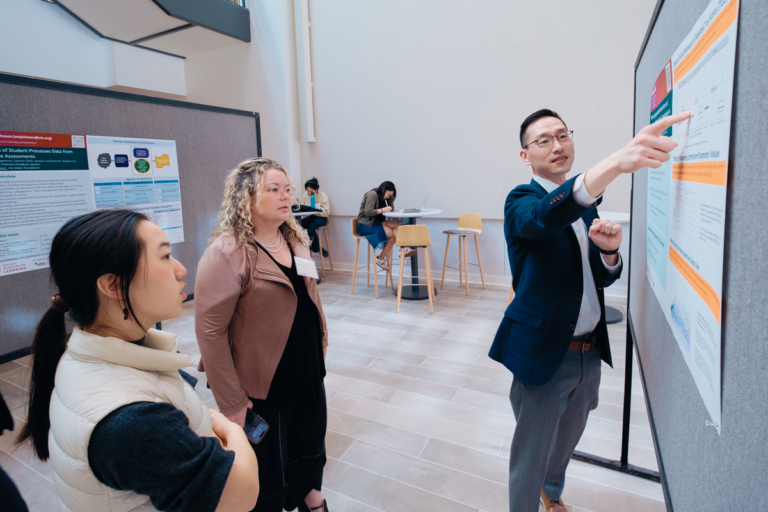
- Activating new research and design. The program has funded and supported over 30 interdisciplinary research projects on AI and education, yielding key insights on AI tutoring, teacher feedback and instructional coaching, AI literacy, medical education, and personalized learning for neurodiverse learners, among others.
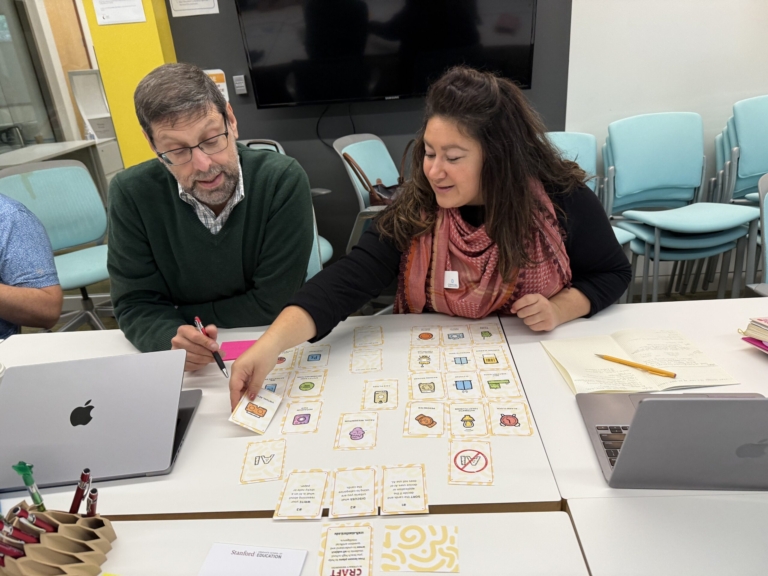
- Engaging classroom educators. We work with educators and education leaders through programs including the AI Tinkery, CRAFT, and professional development offerings.
- Convening teachers, students, researchers, and tech developers. The annual AI + Education Summit, co-hosted with the Stanford Institute for Human-Centered Artificial Intelligence (HAI), brings together key stakeholders to learn from each other and chart the future of learning.
- Shaping the field’s most pressing questions. We work across all seven Stanford schools to ask big questions and shape the discourse on key issues like AI and cheating or learning through creation with AI.
Featured
Artificial intelligence
AI challenges core assumptions in education
We need to rethink student assessment, AI literacy, and technology’s usefulness, according to experts at the recent AI+Education Summit.
Read the story: AI challenges core assumptions in education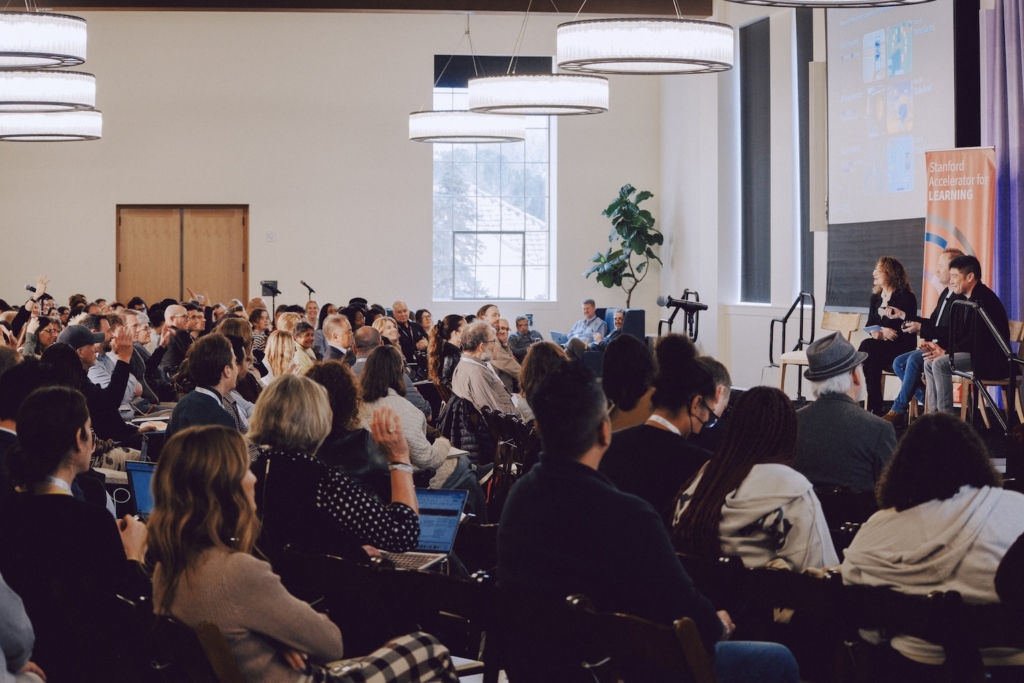
Resources for educators and education leaders
The Stanford Accelerator for Learning works with educators and education decision makers to facilitate the exchange of information and bridge the gap between research and practice. Educators help inform AI researchers and developers about PK-12’s challenges. They also suggest new areas of research and development to help address critical needs within the education system.
Curricular resources
The Curricular Resources about AI for Teaching (CRAFT) project brings together researchers and teachers to co-create resources to teach AI literacies in high school.
AI Tinkery
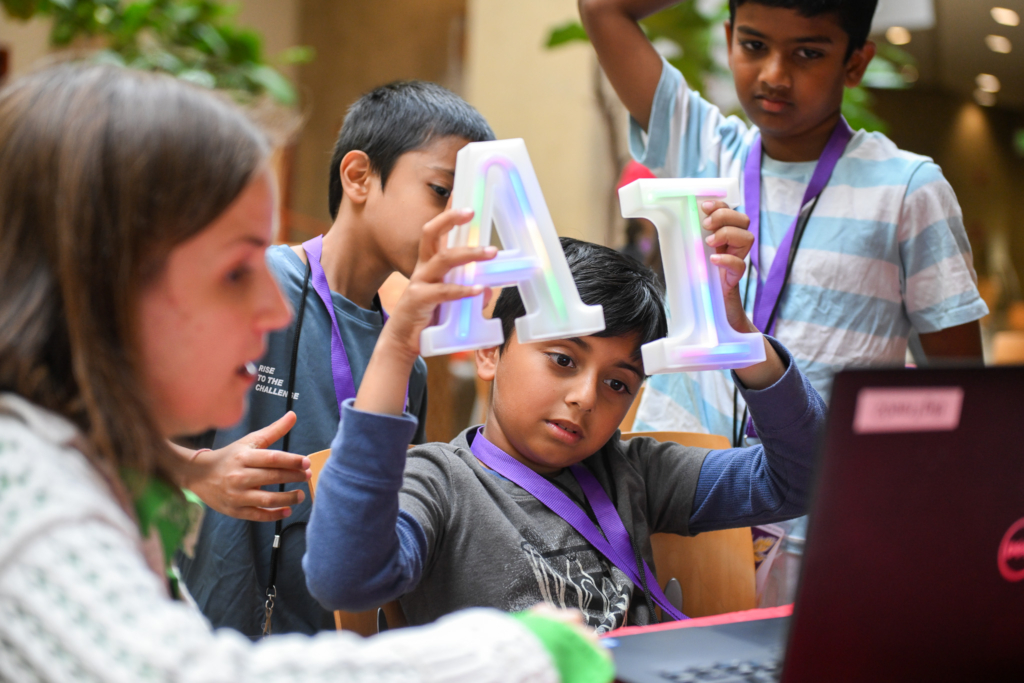
Housed in ANKO 020, the AI Tinkery is a collaborative space to play and tinker with the possibilities of generative AI in the classroom. It hosts regular events, open hours, and thematic working groups to envision how AI can support teaching and learning.
Professional Learning Extension (PLEX)
Stanford Graduate School of Education Professional Learning Extension (PLEX) offers non-degree learning experiences for educators, leaders, and education professionals.
Related stories
Artificial intelligence
What parents need to know about AI in the classroom
From immersive learning and personalized tutors to lesson plans and grading, AI is everywhere in K-12 education. Victor Lee, faculty lead for the Accelerator’s AI + Education program, offers three steps for parents to get informed and involved.
Read the story: What parents need to know about AI in the classroom
Artificial intelligence
AI helps math teachers build better “scaffolds”
Education researchers have evaluated the ability of large language models (LLMs) to help middle school math teachers structure tiered lessons to reach diverse skill levels — a strategy called scaffolding.
Read the story: AI helps math teachers build better “scaffolds”
Artificial intelligence
Stanford education scholar uses AI to help medical students hone diagnostic skills
Doctoral student Marcos Rojas bridges education, medicine, and computer science with a platform that simulates patient-physician interactions.
Read the story: Stanford education scholar uses AI to help medical students hone diagnostic skills
Artificial intelligence
Stanford teams up with The Tech Interactive and Bay Area school leaders for inaugural National AI Literacy Day
One of three events held across the country, the first annual day of action promotes AI literacy through education.
Read the story: Stanford teams up with The Tech Interactive and Bay Area school leaders for inaugural National AI Literacy Day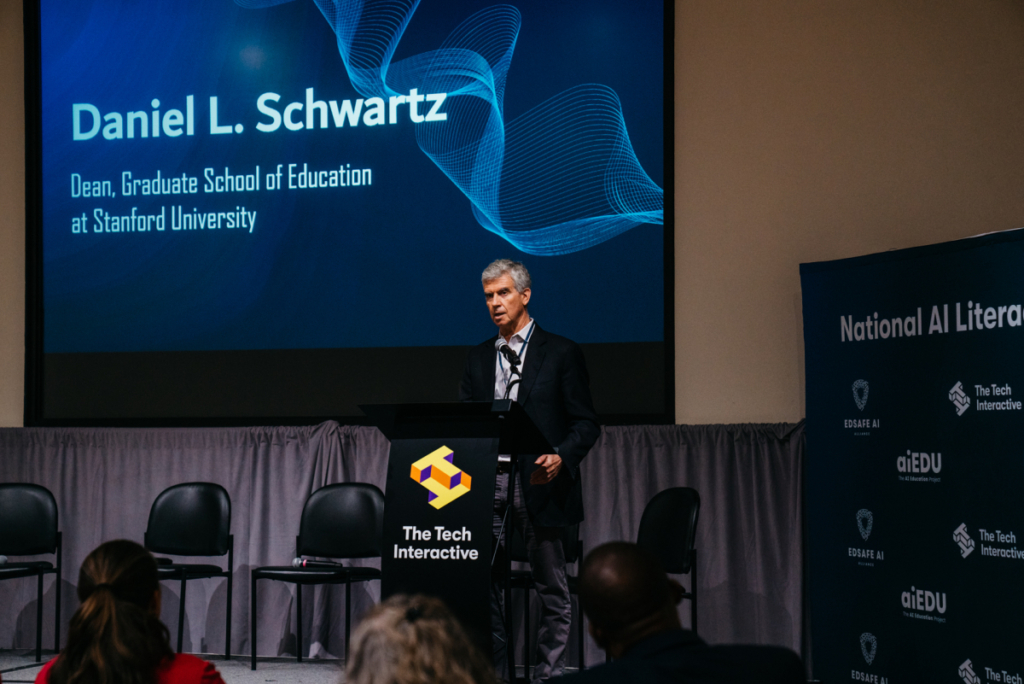
Artificial intelligence
What Can AI Offer Teachers?
A year after generative AI shocked the education world, the second annual AI+Education Summit reflected on new tools and research for classrooms.
Read the story: What Can AI Offer Teachers?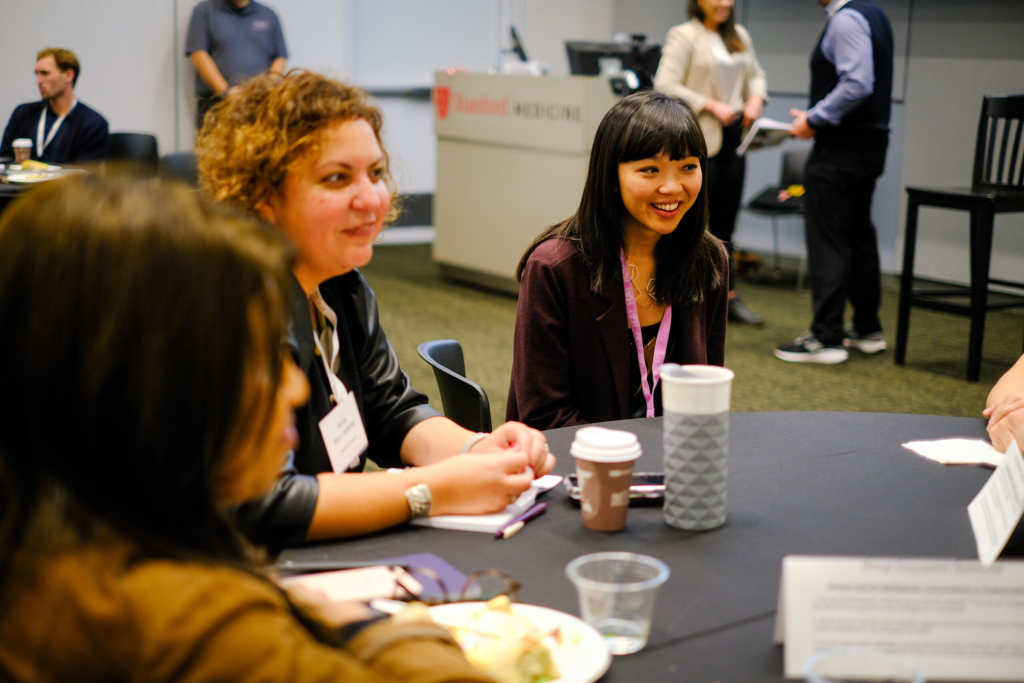
Artificial intelligence
What do AI chatbots really mean for students and cheating?
Stanford Accelerator for Learning Faculty Affiliates Victor Lee and Denise Pope discuss ongoing research into why and how often students cheat.
Read the story: What do AI chatbots really mean for students and cheating?
Related grants
Seed grant
Learning through Creation with Generative AI
The Stanford Accelerator for Learning and the Stanford Institute for Human-Centered Artificial Intelligence (HAI) invited research proposals advancing learning through creation with generative AI.
Learn more: Learning through Creation with Generative AI
Seed grant
Generative AI for the Future of Learning
In collaboration with the Stanford Institute for Human-Centered Artificial Intelligence, grants up to $100,000 for innovative designs and/or research on critical issues and applications of generative AI in learning contexts.
Learn more: Generative AI for the Future of Learning
Faculty Lead
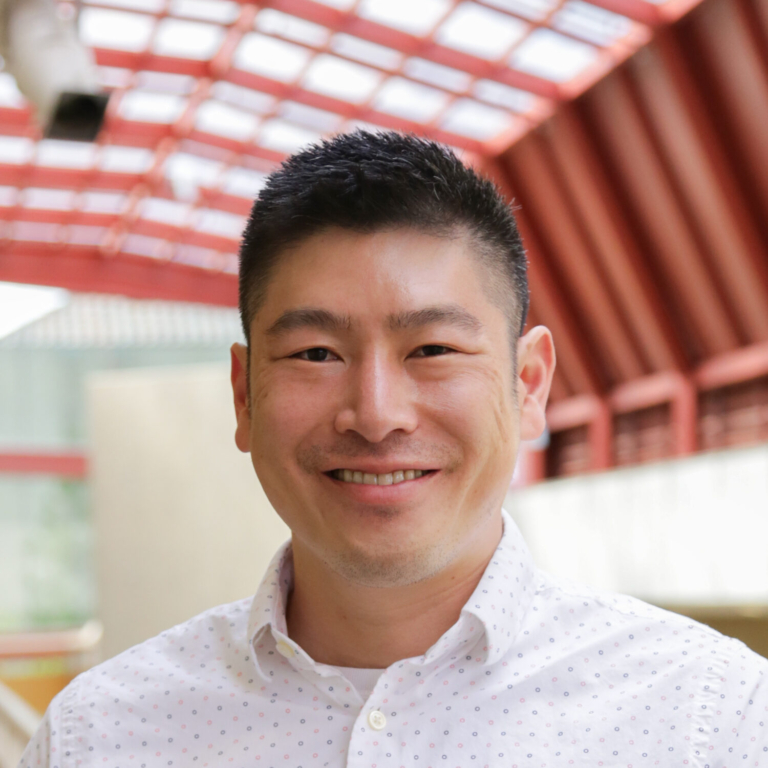
Victor Lee
Faculty Lead, AI + Education
View profile: Victor LeeResearch team
- Catherine Chase Research Director