

Artificial intelligence
Digital twins reveal how math disabilities affect the brain
Using AI to analyze brain scans of students solving math problems, Stanford Accelerator for Learning Faculty Affiliate Vinod Menon and co-authors offer the first-ever glimpse into the neural roots of math learning disabilities.
By Andrew Myers
More stories
Research
Autistic teens ‘tune in’ less to new voices
A new Stanford Medicine study finds differences in how autistic teens process unfamiliar voices, pointing toward new therapies for adolescents.
Read the story: Autistic teens ‘tune in’ less to new voices
Research
Dyslexic children show differences in brain reading region
A new study reveals that the visual word form area, vital for text recognition, is smaller or absent in dyslexic children. Intensive reading intervention can help.
Read the story: Dyslexic children show differences in brain reading region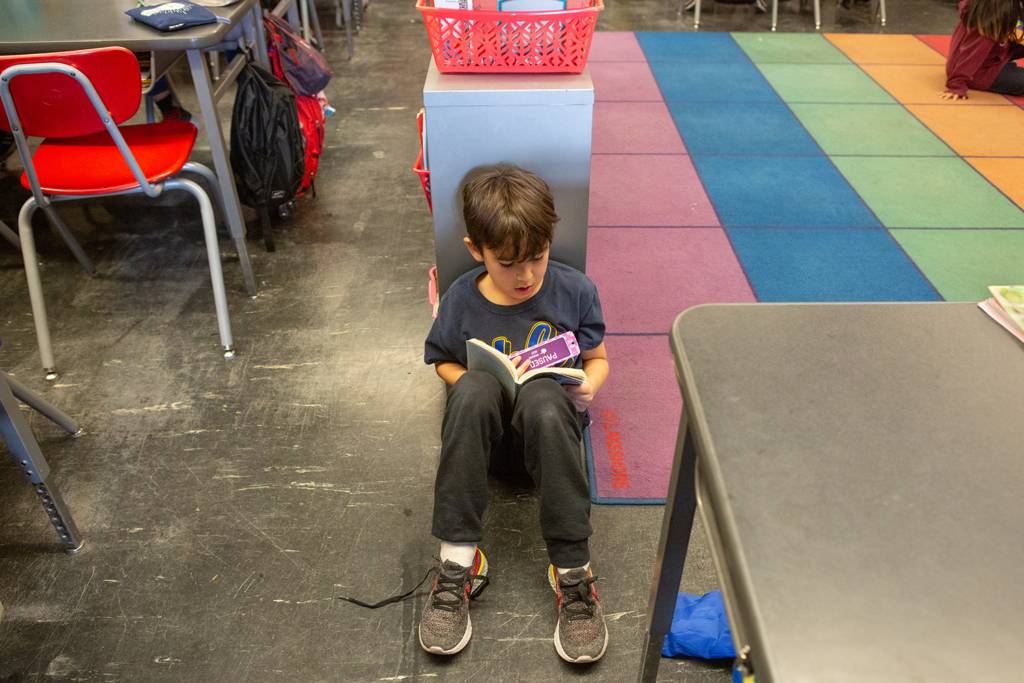
Future readiness
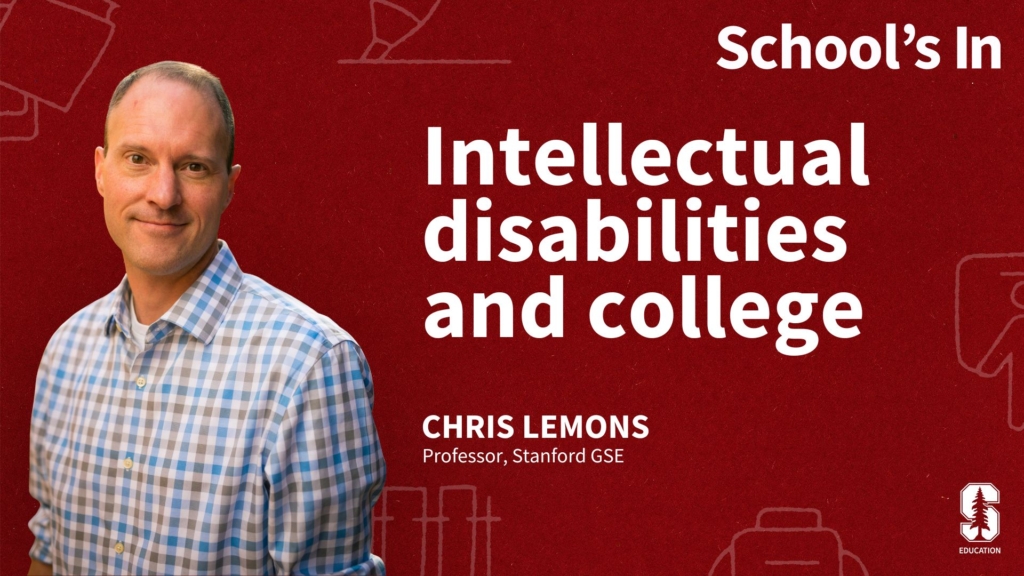
Intellectual disabilities and college: Envisioning bright futures
“Presumed competence” can improve learning outcomes for students with intellectual and developmental disabilities, says Christopher Lemons, faculty director of the Learning Differences initiative, on the latest episode of the School's In podcast.
Read the story: Intellectual disabilities and college: Envisioning bright futures