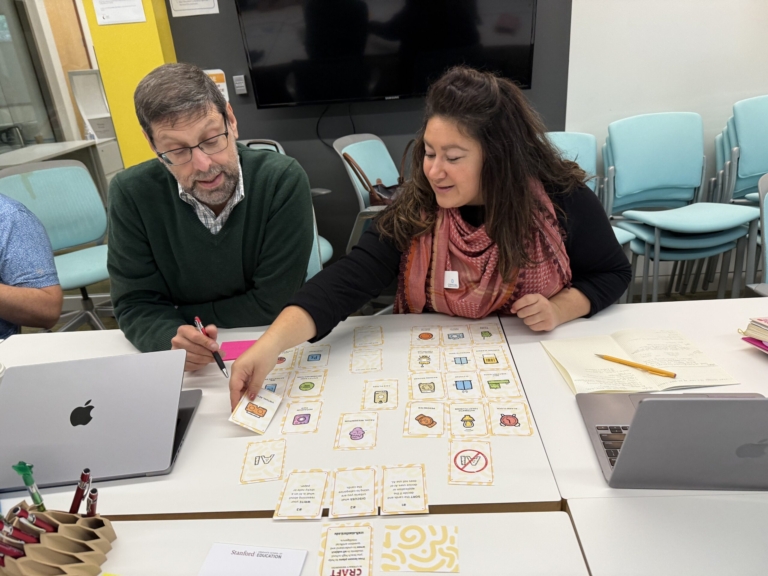
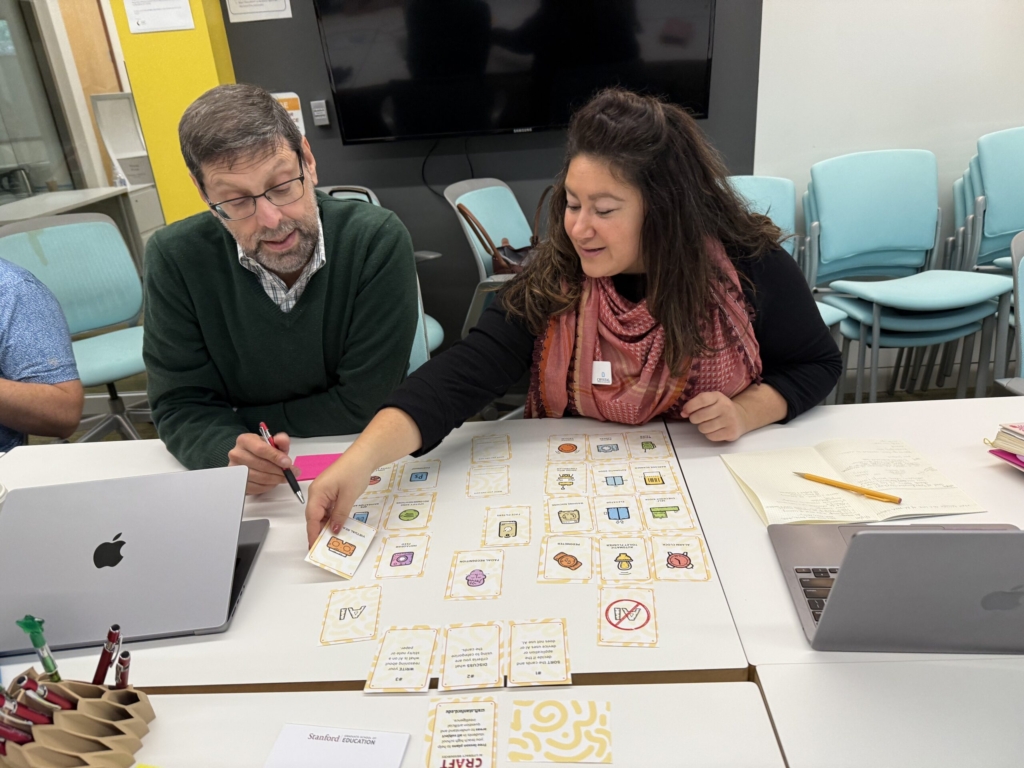
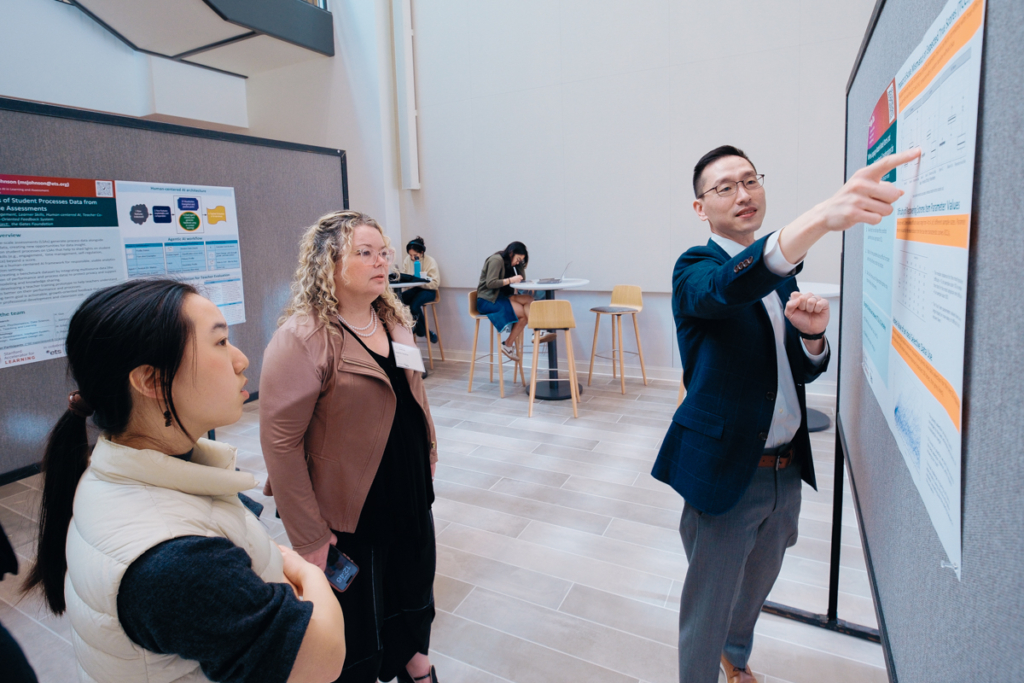
AI Tinkery launches school network and playbook to help educators navigate AI in their classrooms
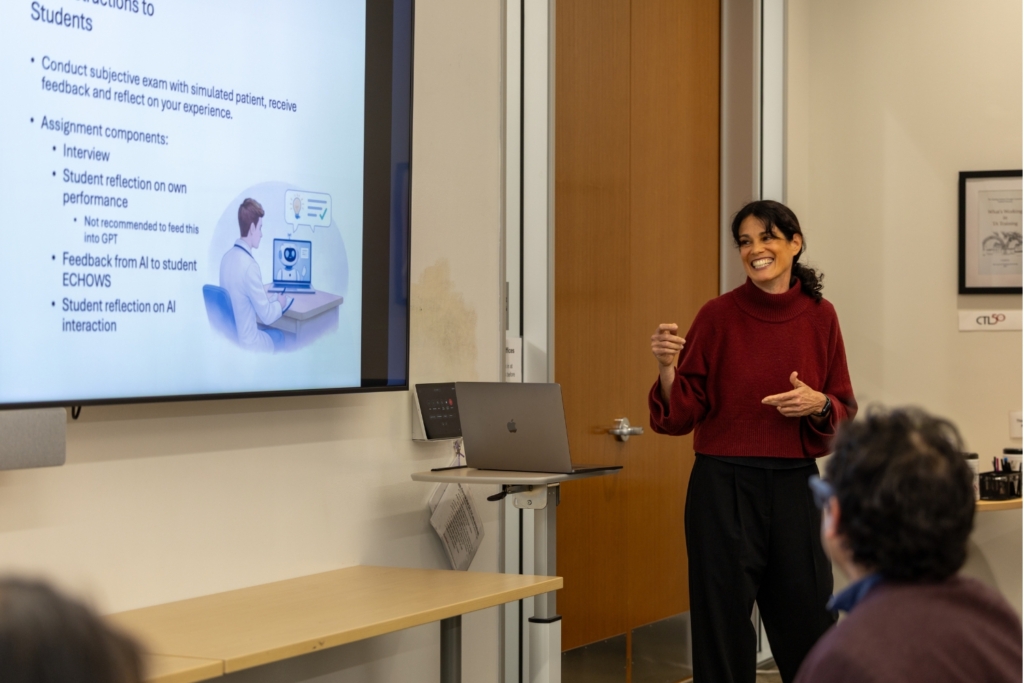
The physical and digital makerspace for generative AI, which has been supporting Stanford students, staff, and faculty since 2024, is expanding to schools and classrooms across the world.
A new model for learning and work, incubated at Stanford
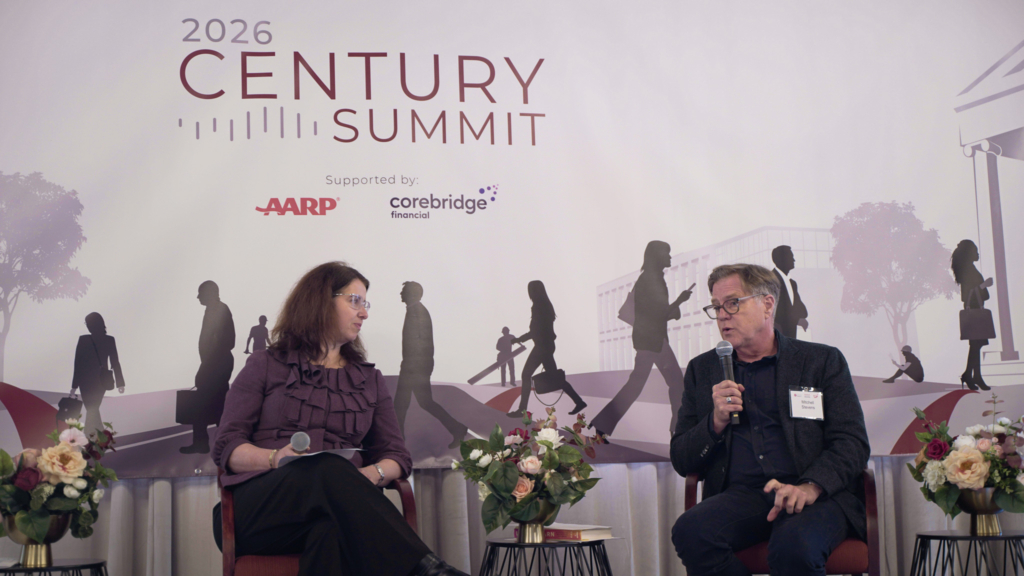
Accelerator Faculty Affiliate Mitchell Stevens talks about an initiative to rethink learning so that Americans can prosper in the wake of technological change and lengthening lifespans.
What Your Phone Knows Could Help Scientists Understand Your Health
Stanford researchers have released an open-source platform that lets health researchers study the “screenome” – the digital traces of our daily lives – while protecting participants’ privacy.
Dan Schwartz to step down as dean of Stanford Graduate School of Education
Schwartz, who will continue to lead the Stanford Accelerator for Learning, has guided the GSE through unprecedented change during an era of major disruption in education and a technological revolution in learning.
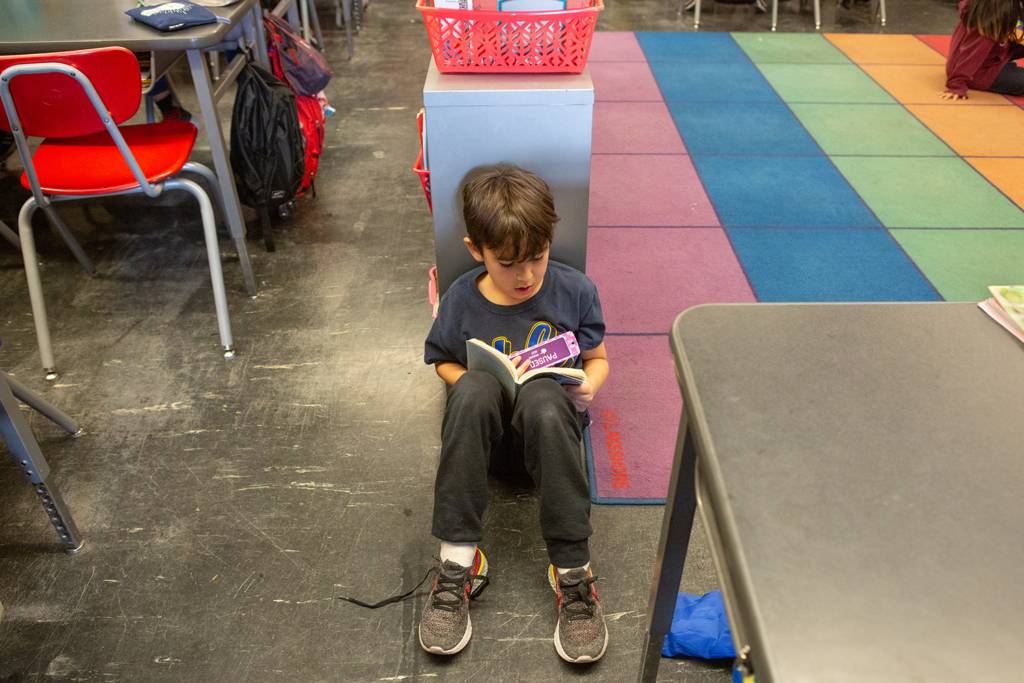
Dyslexic children show differences in brain reading region
A new study reveals that the visual word form area, vital for text recognition, is smaller or absent in dyslexic children. Intensive reading intervention can help.
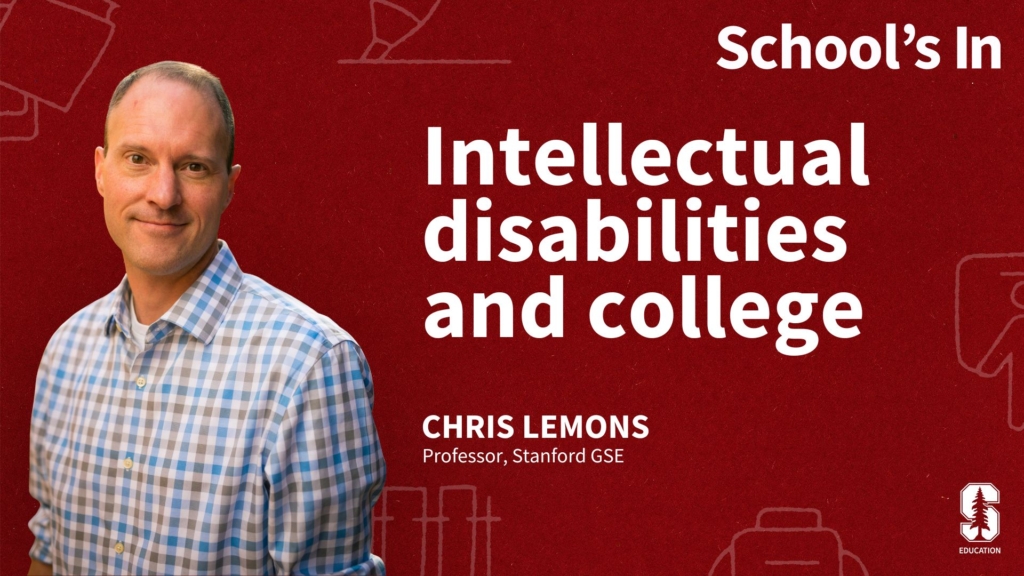
Intellectual disabilities and college: Envisioning bright futures
“Presumed competence” can improve learning outcomes for students with intellectual and developmental disabilities, says Christopher Lemons, faculty director of the Learning Differences initiative, on the latest episode of the School's In podcast.
How the ‘science of reading’ is reshaping literacy education
Stanford Professor Rebecca Silverman discusses a transformative movement backed by research that is changing literacy instruction in schools nationwide.