AI Tinkery launches school network and playbook to help educators navigate AI in their classrooms
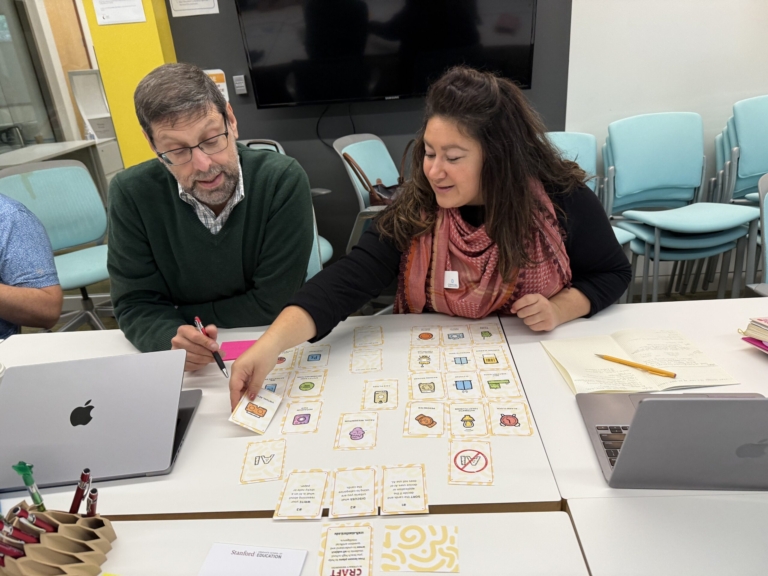
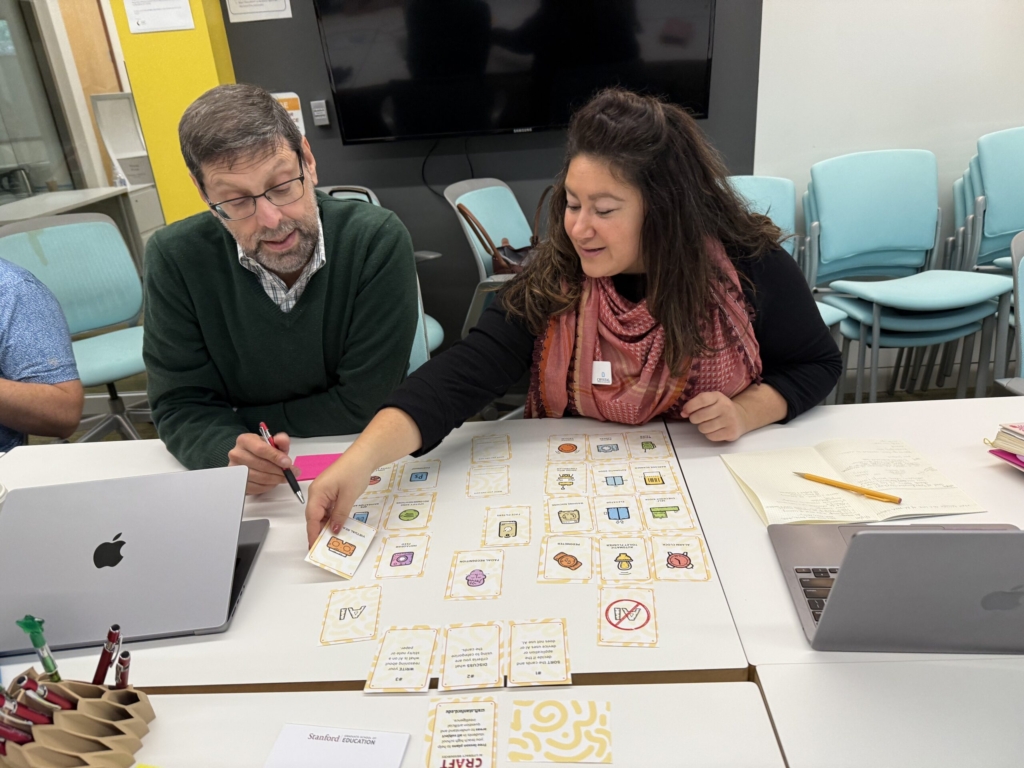
The physical and digital makerspace for generative AI, which has been supporting Stanford students, staff, and faculty since 2024, is expanding to schools and classrooms across the world.
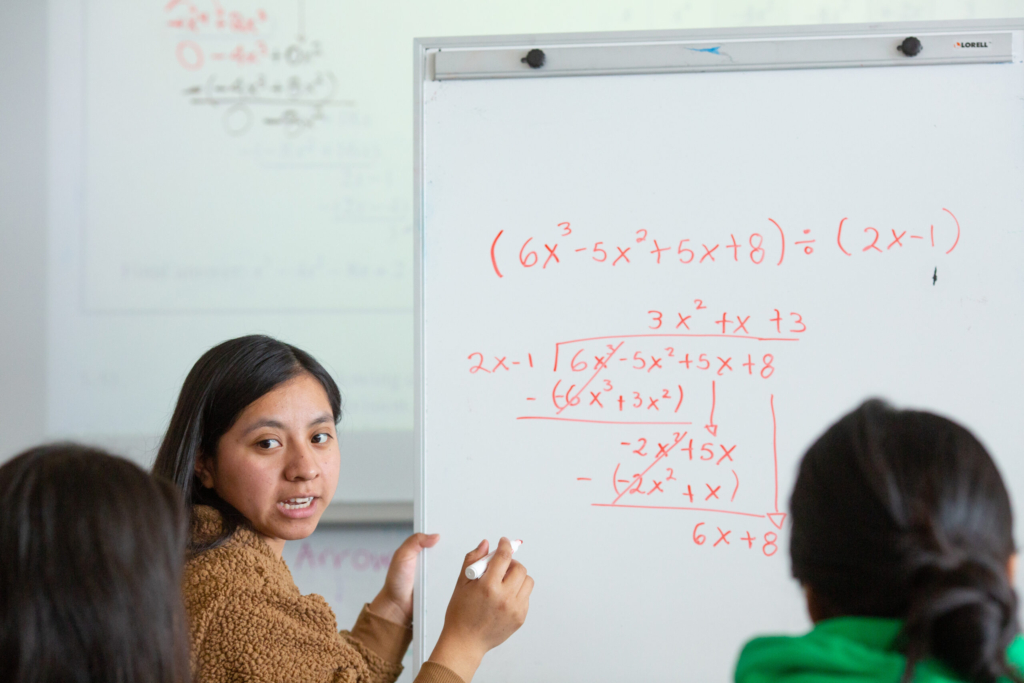
Education researchers have evaluated the ability of large language models (LLMs) to help middle school math teachers structure tiered lessons to reach diverse skill levels — a strategy called scaffolding.
The future is already here: AI and education in 2025
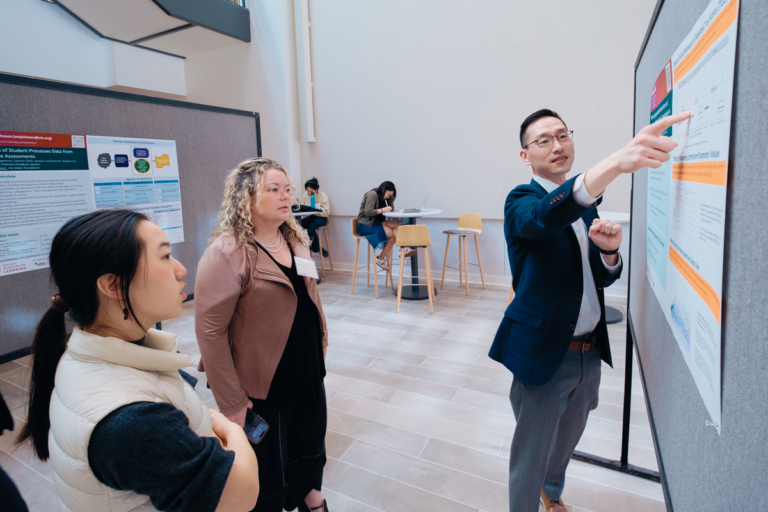
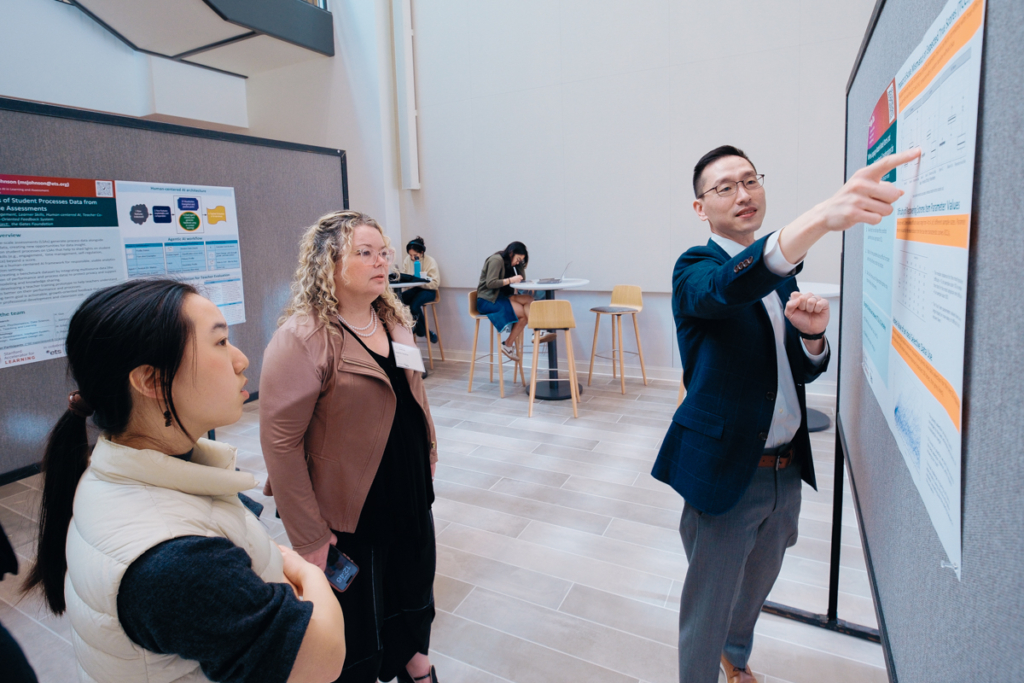
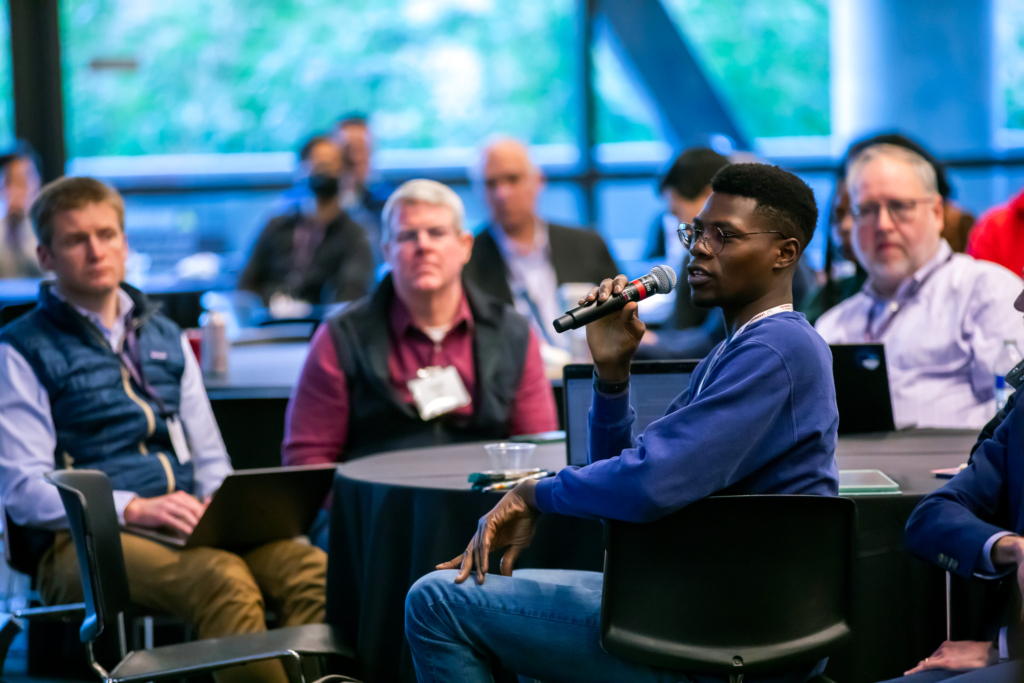
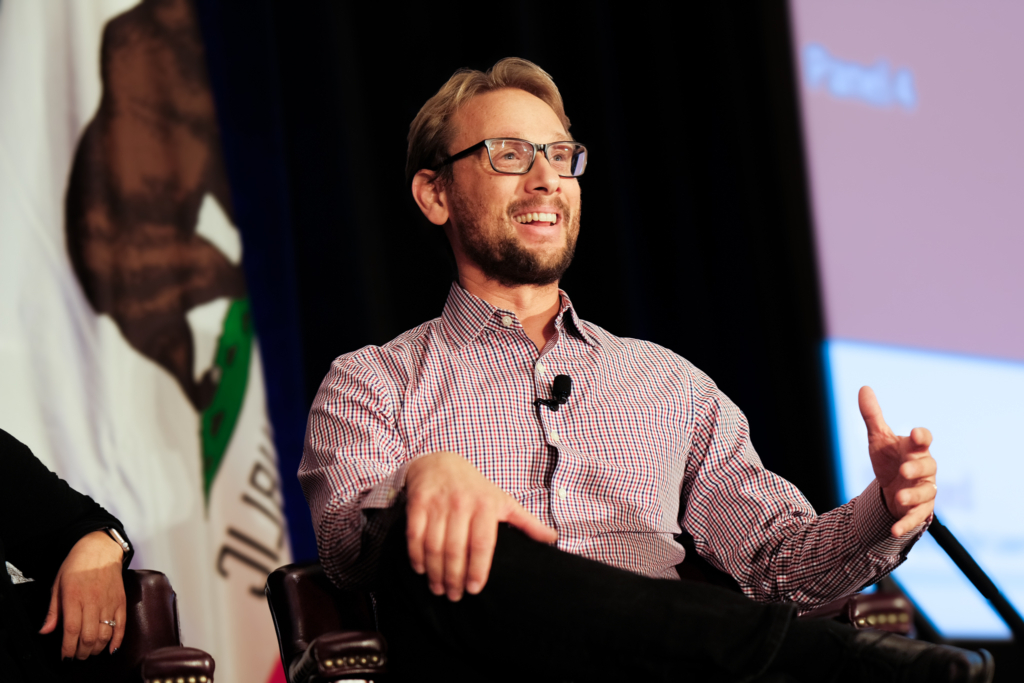
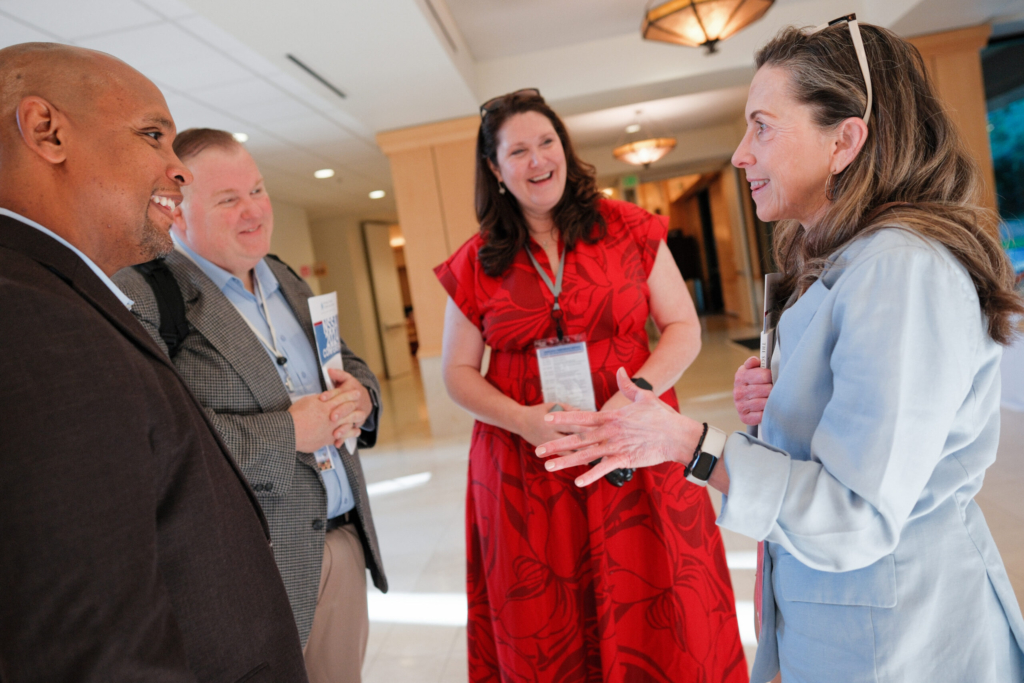
The third Stanford AI+Education Summit brought together researchers, K-12 leaders, educators, and technologists to explore how AI is shaping teaching and learning.
New pilot course teaches the history of California education
A new course for teacher candidates, led by Stanford Accelerator for Learning faculty affiliate Michael Hines, takes a journey through the state's legacy of learning.
Stanford team builds tool to keep young readers from falling through the cracks
Associate Professor Jason Yeatman discusses the adoption of the Stanford-developed Rapid Online Assessment of Reading (ROAR) as an approved dyslexia screening tool in the state of California.
Lessons for the future: How past practices help reimagine education
In this episode of School’s In, Professor Maisha Winn, faculty director of the Equity in Learning initiative, discusses how positive insights from the history of education can be used to shape its future.
Learners with disabilities benefit from more complex reading instruction, Stanford researchers say
Stanford education scholars Chris Lemons and Lakshmi Balasubramanian share strategies for helping students with intellectual and developmental disabilities learn to read.
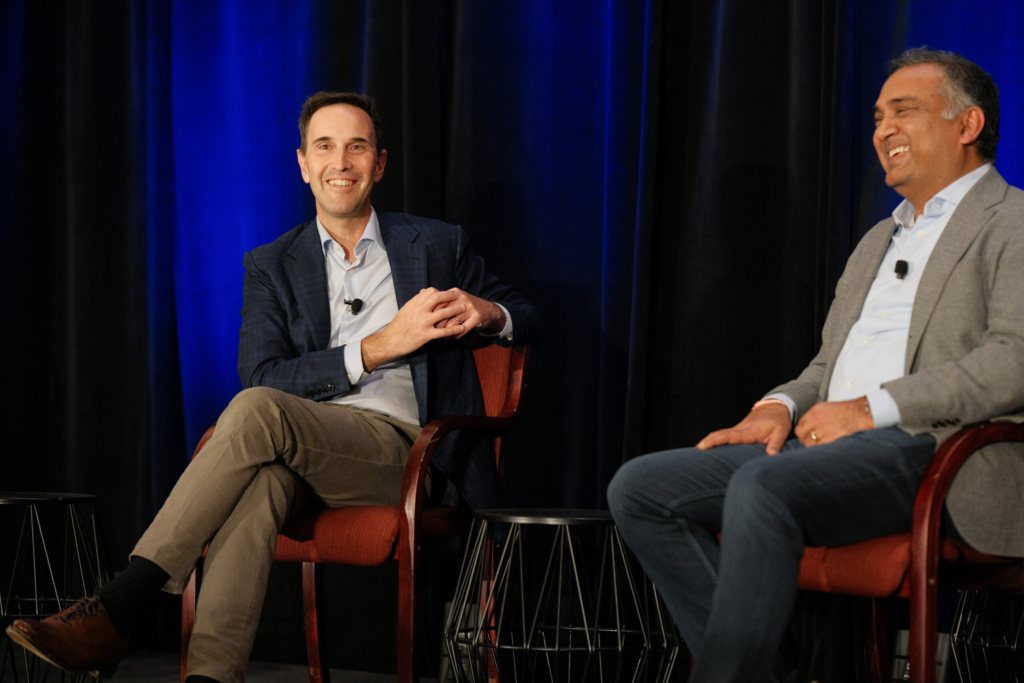
Stanford conference explores education technology in the age of AI
The Stanford Accelerator for Learning convened edtech leaders, researchers, funders, educators, and students to envision effective, research-backed, equitable, and responsive education technology.